Airports across the country face growing costs related to PFAS and firefighting foam. For decades, airports relied on aqueous film-forming foam, commonly called AFFF, to fight aviation fuel fires. That history now presents a financial problem.
Airports are transitioning away from PFAS-containing AFFF. However, removing the foam does not remove PFAS already released into the environment. Airport authorities may face testing, cleanup, equipment, disposal, and regulatory costs for years. Those costs raise an important question: Who should pay for them?
Why Airports May Have PFAS Contamination
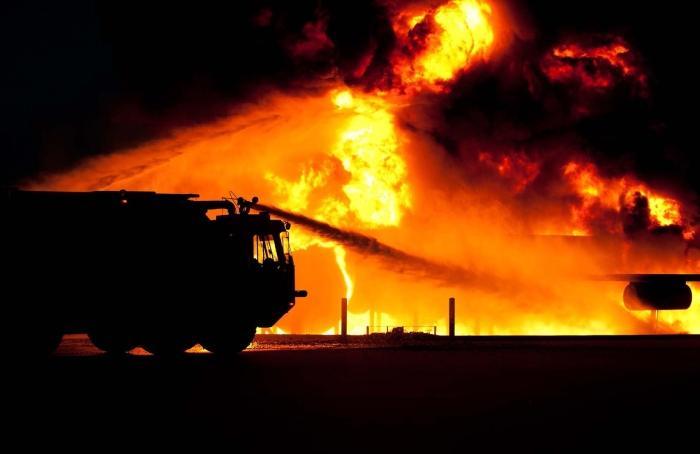
Airport firefighters historically used AFFF during emergencies, training exercises, equipment testing, and accidental releases. Those activities could release PFAS into soil, groundwater, stormwater, and nearby surface waters. Potential areas of concern include fire stations, training areas, hangars, storage locations, drainage systems, and retention ponds. PFAS may also remain inside firefighting vehicles, tanks, piping, and suppression systems. Stag Liuzza has previously discussed how PFAS contamination can develop at airports through historical AFFF use. Therefore, an airport can face PFAS costs long after its last AFFF discharge.
Airports Are Moving Away From AFFF
The aviation industry is transitioning toward synthetic fluorine-free firefighting foam, often called F3. The Federal Aviation Administration provides guidance for airports transitioning from AFFF to fluorine-free foam. On August 6, 2026, the FAA issued additional guidance for testing AFFF and F3 systems at certificated Part 139 airports. (Federal Aviation Administration) The transition can involve much more than purchasing new foam. Airports may need to drain tanks, clean vehicles, flush piping, modify equipment, and perform additional testing. Existing AFFF must also be stored and disposed of appropriately. Each step can create additional costs for an airport authority or local government.

Replacing AFFF Does Not End PFAS Costs
Removing PFAS-containing foam does not necessarily eliminate PFAS from airport equipment or property. Airports may need environmental consultants to determine whether historical releases affected soil or groundwater. Potential expenses can include:
- Environmental investigation and testing
- Soil and groundwater sampling
- Engineering and consulting services
- AFFF removal and disposal
- Vehicle and equipment cleaning
- Replacement firefighting foam
- Stormwater testing
- Long-term monitoring
- Environmental remediation
- Regulatory compliance
Future construction can also uncover contaminated soil that requires special handling. These expenses can continue long after an airport completes its transition to fluorine-free foam. Accorningly, Airport officials should consider both current costs and reasonably anticipated future expenses.
Federal PFAS Rules Affect Public Airports
Federal environmental regulation of PFAS has also changed. EPA designated PFOA and PFOS as hazardous substances under CERCLA in 2024. CERCLA is commonly known as Superfund. (US EPA) EPA also adopted a PFAS enforcement policy that specifically addresses publicly owned airports. The policy states that EPA generally does not intend to pursue municipal airports when equitable factors weigh against enforcement. Instead, EPA intends to focus enforcement on entities that significantly contributed to PFAS contamination. Those entities include PFAS manufacturers and certain industrial parties. (US EPA) Airport officials can review the EPA PFAS CERCLA enforcement policy for additional information. The policy does not eliminate every potential environmental obligation facing an airport. However, it provides important context when airports evaluate responsibility for PFAS costs.
PFAS Costs Can Extend Beyond Airport Property
PFAS does not necessarily remain where AFFF was originally discharged. Contamination can move through soil, groundwater, drainage systems, and surface water. That movement can create issues involving neighboring property or nearby water systems. Environmental testing may help identify the source, extent, and movement of contamination. Stag Liuzza represents communities and public entities in water contamination matters involving PFAS and other contaminants.
Airports Should Preserve AFFF Records
Airport authorities should preserve historical AFFF records before documents become difficult to locate. Important records may include:
- AFFF purchase records and invoices
- Product labels and safety data sheets
- Firefighting foam inventories
- Training records
- Incident and spill reports
- Maintenance records
- Environmental reports
- Historical photographs
- Equipment replacement records
Documents identifying AFFF manufacturers and suppliers can be particularly important. Airport authorities should also track PFAS-related spending separately. Good documentation can help establish past costs and estimate future expenses.
Airports Should Evaluate Cost-Recovery Options Early
An airport does not need to complete remediation before evaluating potential legal claims. Early review can help identify responsible parties and preserve important evidence. It can also help distinguish ordinary operating expenses from PFAS-related costs. Depending on the facts and applicable law, airports may have claims against companies that manufactured or sold PFAS-containing AFFF. Potential claims may involve investigation, testing, cleanup, disposal, equipment, and other PFAS-related expenses. Every airport presents different facts. Product history, contamination, applicable law, and prior settlements can affect available claims. Airport managers, authority members, and municipal officials can review Stag Liuzza’s Airport AFFF & PFAS Contamination Claims page for more information about evaluating these claims.
PFAS Costs Should Not Automatically Fall on Airports

Airports acquired firefighting foam to protect passengers, employees, aircraft, and property from fuel fires. Many now face substantial costs associated with those products. Public airport authorities should evaluate potential cost recovery before placing the entire burden on airport resources. Stag Liuzza represents public entities in PFAS and AFFF litigation across the United States.
Our attorneys work with airport officials, engineers, and environmental consultants to evaluate contamination and related costs. In appropriate cases, the firm represents public entities on a contingency-fee basis without upfront attorneys’ fees. Airport authorities that used AFFF should consider evaluating potential claims before incurring additional PFAS-related costs. Learn more about Airport AFFF & PFAS Contamination Claims and how Stag Liuzza assists airports seeking to recover PFAS-related expenses.