

Signs Your Water System May Be Contaminated
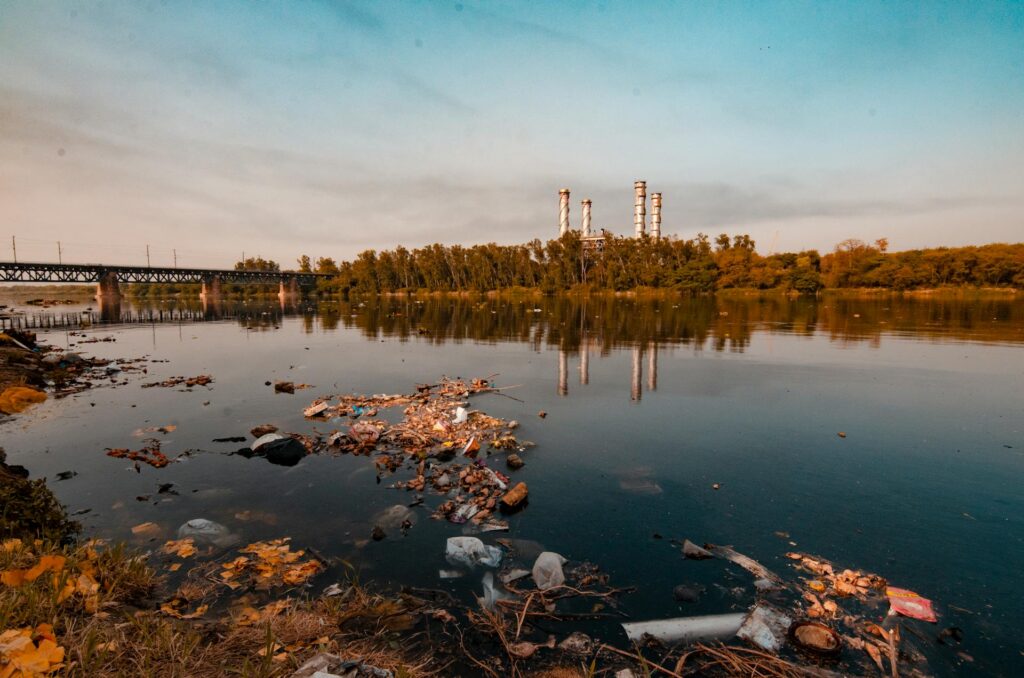
Water contamination is not always immediately obvious. In many cases, chemical contamination develops over time and may go undetected until testing reveals a problem. Substances like PFAS and 1,4-dioxane are especially difficult to identify without proper monitoring because they are often invisible, odorless, and slow-moving. For public water systems and communities, recognizing early warning signs […]
PFAS vs 1,4-Dioxane: What’s the Difference in Water Contamination?

Communities dealing with water contamination are increasingly encountering two types of chemicals: PFAS and 1,4-dioxane. While they are often discussed together, these contaminants behave very differently in the environment and present unique challenges for water systems. Understanding the differences between them is critical when evaluating contamination, treatment options, and long-term impact. What Are PFAS? PFAS […]
What Is 1,4-Dioxane in Drinking Water?
1,4-dioxane is a synthetic chemical that has become an increasing concern in drinking water systems across the United States. Unlike many contaminants, it is highly mobile, difficult to remove, and can persist in groundwater for long periods of time. In many cases, contamination is not discovered until testing reveals its presence in municipal water systems […]
PFAS Public Water System Settlement Update (April 2026)
The nationwide litigation related to PFAS contamination and AFFF firefighting foam is resulting in billions of dollars now being distributed to public drinking water systems. The court-appointed Special Master and Claims Administrator oversee the payments of the 3M, DuPont, Tyco, and BASF settlements. These settlements total more than $14 billion. By taking no action, qualifying […]
The Rise of “Forever Chemicals” and What New Research Says About Their Long-Term Health Risks

For decades, a group of industrial chemicals known as PFAS quietly spread through the environment. Today, scientists are beginning to understand the full scope of their impact. Often referred to as “forever chemicals,” PFAS do not easily break down in nature or the human body. Instead, they accumulate over time in drinking water, soil, wildlife, […]
3M and DuPont Public Water System Settlements: Phase Two Deadlines, Funding Opportunities, and a Practical Action Plan

Public water systems across the United States are entering a critical phase of the largest drinking water settlements in history. The nationwide settlements with 3M and DuPont related to PFAS contamination create a once in a generation opportunity for water systems to recover testing costs, fund treatment upgrades, and offset compliance expenses driven by new […]
New Study Links PCE to Liver Disease
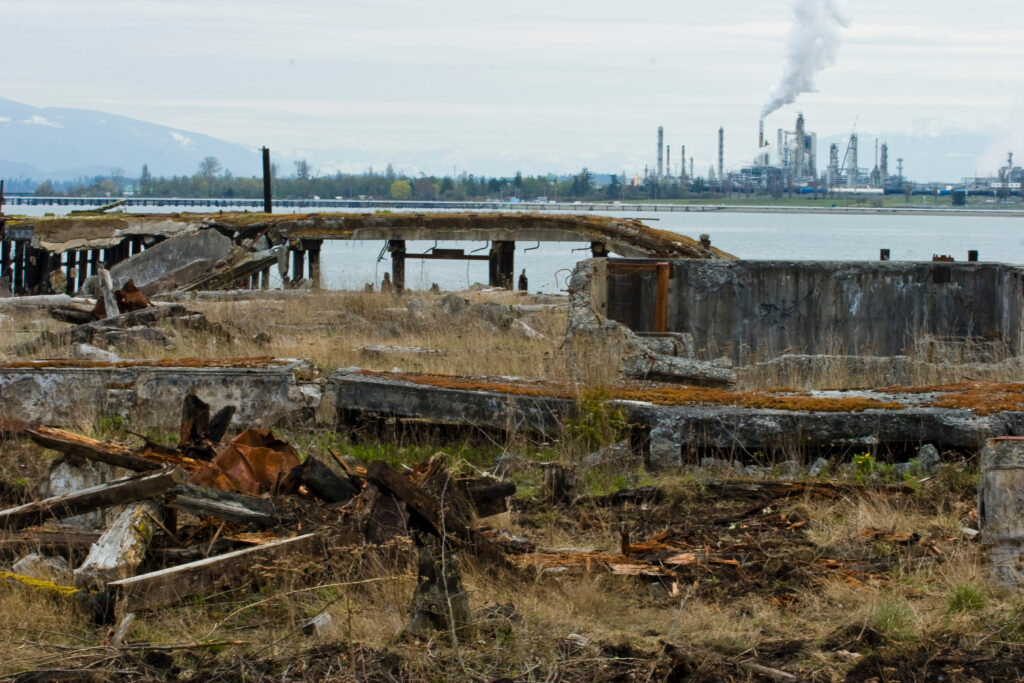
A recent national study found that exposure to tetrachloroethylene, known as PCE, is associated with an increased risk of liver fibrosis. Liver fibrosis is serious scarring of the liver that can progress to liver failure or cancer. The study found that risk of liver disease rose with higher levels of exposure, suggesting a dose-dependent relationship. […]
What’s the deal with 1,4-Dioxane?

1,4-Dioxane? You’ve probably never heard of it, but you will soon. Municipalities are discovering it in public drinking water, and it’s set to become a costly problem. This manmade chemical has been used for decades in industrial and consumer applications. At the same time, it has infiltrated aquifers, surface-water sources, and public wells. Because 1,4-Dioxane […]
1,4-Dioxane: What Municipalities Need to Know

Across the country, municipalities are discovering 1,4-dioxane in public water systems. This emerging contaminant which has been used for decades in industrial manufacturing poses serious challenges for local governments responsible for providing safe drinking water. We represent municipalities and water authorities seeking to recover the significant costs of detecting, treating, and remediating contamination caused by corporate polluters. […]
1,4-Dioxane in Drinking Water

Just as the PFAS drinking water regulations will begin kicking in, public water systems have a new manmade pollutant to worry about, 1,4-Dioxane. 1,4-Dioxane (often written “1,4-dioxane” or “1,4-DX”) is a synthetic solvent and stabilizer that shows up in industrial discharges, consumer product manufacturing, and as an unintentional byproduct of other chemical processes. Because it dissolves […]