Per- and polyfluoroalkyl substances (PFAS), often called “forever chemicals,” have become one of the most closely watched environmental issues in the United States. While many people associate PFAS contamination with firefighting foam, manufacturing facilities, or polluted drinking water, another potential source has received growing attention in recent years: biosolids used as fertilizer.
Across the country, scientists, environmental agencies, farmers, and local communities are asking an important question:
Can PFAS spread through fertilizer?
The answer is more complicated than a simple yes or no. While not every fertilizer contains PFAS, biosolids made from treated sewage sludge can contain these chemicals if they entered the wastewater system. When those biosolids are applied to farmland, landscaping projects, or reclamation sites, PFAS may remain in the soil and, under certain conditions, migrate into groundwater, surface water, crops, livestock, and nearby communities.
As federal and state agencies continue evaluating the risks, understanding how PFAS can move through the environment has become increasingly important.
What Are Biosolids?
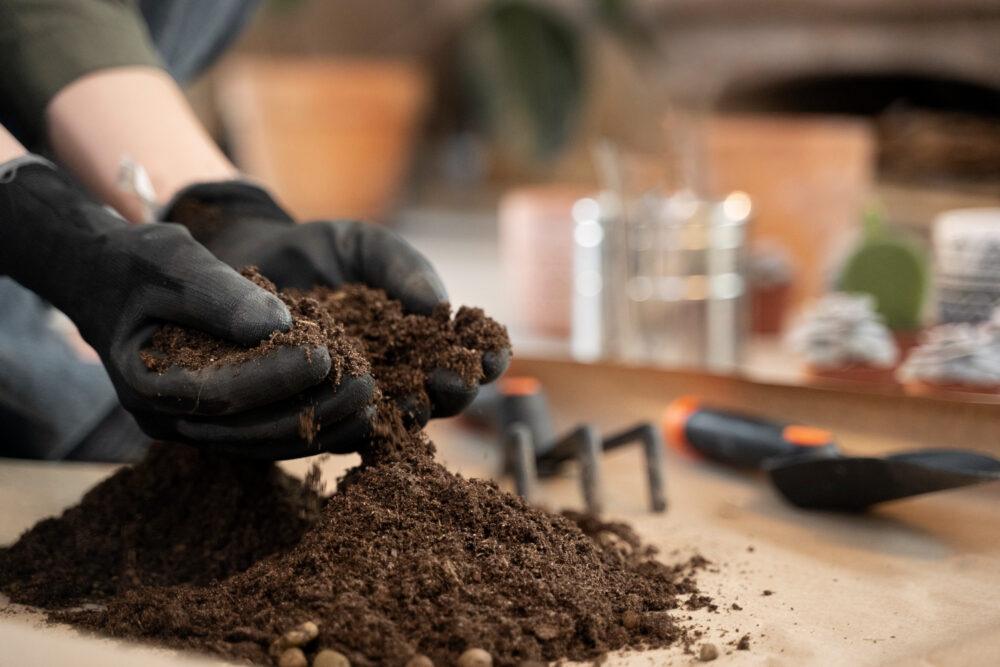
Biosolids are nutrient-rich organic materials created during the wastewater treatment process.
When wastewater from homes, businesses, hospitals, and industrial facilities reaches a treatment plant, solid materials are separated from the water. After undergoing treatment to reduce pathogens and stabilize the material, these solids may be processed into biosolids.
For decades, biosolids have been used as fertilizer because they contain nutrients such as:
- Nitrogen
- Phosphorus
- Organic matter
- Micronutrients that can improve soil quality
Farmers, municipalities, and land managers have used biosolids to improve agricultural fields, restore disturbed land, and support landscaping projects.
The concern today is that wastewater treatment removes many contaminants, but it generally does not destroy PFAS.
How Do PFAS Get Into Biosolids?
PFAS enter wastewater systems from many different sources.
These chemicals have been used for decades in manufacturing, industrial processes, firefighting foam, stain-resistant products, food packaging, textiles, metal plating, and numerous consumer goods.
When PFAS-containing materials are washed, disposed of, or discharged, the chemicals can enter sewer systems.
Potential sources include:
- Industrial manufacturing facilities
- Chemical plants
- Airports and military bases
- Firefighter training facilities
- Commercial laundries
- Household products
- Landfill leachate
- Certain medical and industrial operations
Although wastewater treatment plants remove many pollutants, PFAS are remarkably resistant to traditional treatment methods.
Instead of breaking down, many PFAS compounds become concentrated in the remaining solids.
Those solids eventually become biosolids.
Why Are Scientists Concerned?
The concern is not simply that PFAS exist inside biosolids.
The concern is what may happen after those biosolids are applied to land.
Research has shown that certain PFAS compounds can:
- Persist in soil for many years
- Move into groundwater through rainfall and irrigation
- Reach nearby streams, ponds, and rivers
- Be absorbed by certain crops
- Accumulate in livestock
- Enter the food chain
The amount of migration depends on many factors, including the specific PFAS involved, soil conditions, rainfall, crop type, groundwater depth, and how much biosolid material has been applied over time.
Not every application creates significant contamination.
However, repeated applications over many years may increase the potential for long-term environmental accumulation.
Why Are PFAS Called “Forever Chemicals”?
PFAS are often referred to as forever chemicals because many of them break down extremely slowly.
Unlike contaminants that naturally degrade over time, certain PFAS compounds can remain in soil and groundwater for decades.
This persistence creates unique challenges.
Even if the original source stops releasing PFAS today, contamination may continue moving through the environment long afterward.
That is one reason PFAS contamination has become a growing concern for environmental scientists, regulators, and affected communities.
Can PFAS Reach Drinking Water?
Yes.
One of the biggest concerns surrounding biosolids is the possibility that PFAS may migrate into groundwater supplies or nearby surface water used for drinking water.
When rainwater infiltrates soil, certain PFAS compounds may travel downward through the ground.
If groundwater becomes contaminated, the chemicals may eventually reach:
- Municipal drinking water wells
- Private residential wells
- Springs
- Rivers
- Lakes
- Reservoirs
Communities located near farms or land application sites are not automatically at risk.
However, environmental investigations often evaluate whether biosolid applications may have contributed to nearby contamination.
Can Crops and Livestock Be Affected?
Researchers have also studied whether PFAS can move from soil into food.
Scientific studies have shown that some crops can absorb certain PFAS compounds from contaminated soil.
Livestock may also be exposed through:
- Drinking contaminated water
- Eating contaminated feed
- Grazing on affected land
The extent of contamination depends on numerous variables, including the type of PFAS present and environmental conditions.
Some of the most widely publicized PFAS contamination cases have involved dairy farms where contaminated groundwater, soil, or biosolids were suspected contributors.
These investigations continue to shape scientific understanding of how PFAS move through agricultural environments.
What Is the EPA Doing?
The Environmental Protection Agency has significantly increased its focus on PFAS in biosolids.
In recent years, the agency has:
- Expanded research into PFAS movement through soil
- Evaluated potential health risks associated with biosolids
- Developed draft risk assessments
- Increased sampling and monitoring efforts
- Continued studying treatment and destruction technologies
- Released updated guidance for wastewater utilities and environmental agencies
The EPA has stated that additional research is necessary to better understand how different PFAS compounds behave after land application.
The agency has also acknowledged that PFAS contamination presents unique regulatory challenges because thousands of different PFAS compounds exist, many of which have not been studied extensively.
Why Is This Debate So Important?
The biosolids discussion extends far beyond wastewater treatment plants.
Communities are asking important questions about:
- Long-term groundwater protection
- Food safety
- Property values
- Agricultural sustainability
- Environmental cleanup
- Responsibility for contamination
Farmers who accepted biosolids years ago may have done so under regulations that did not fully account for PFAS.
Likewise, neighboring property owners may not have realized contamination could migrate beyond the original application site.
As additional testing becomes available, more communities are discovering PFAS contamination that may have originated years or even decades earlier.
Who Is Responsible?
Determining responsibility for PFAS contamination is rarely straightforward.
Environmental investigations often examine multiple potential contributors, including:
- Industrial manufacturers
- Chemical companies
- Waste generators
- Wastewater treatment systems
- Companies that discharged PFAS into sewer systems
- Landfill operators
- Other entities involved in handling or disposing of PFAS-containing materials
Every situation is different.
In many cases, investigators must determine:
- Where the contamination originated
- How PFAS entered the environment
- How contamination migrated
- Which parties contributed to the release
- Whether contamination affected drinking water, farmland, businesses, or private property
These investigations often require environmental testing, groundwater modeling, historical records, and expert analysis.
What Should Property Owners Do?
If you believe PFAS contamination may be affecting your property or community, gathering information early can be valuable.
Consider:
- Reviewing local water quality reports
- Asking whether nearby land has received biosolid applications
- Monitoring announcements from state environmental agencies
- Learning whether groundwater investigations are underway
- Testing private wells if contamination is suspected
- Keeping records of water testing, filtration costs, and communications with government agencies
Every situation is unique, and understanding the source of contamination is often one of the most important steps.
The Biosolids Debate Is Still Evolving
The use of biosolids has provided agricultural benefits for decades, but growing evidence suggests PFAS contamination deserves careful attention.
Scientists continue studying how forever chemicals move through soil, crops, groundwater, and the food supply. At the same time, regulators are evaluating whether additional safeguards are needed to reduce future contamination while addressing pollution that has already occurred.
As research continues, communities deserve clear information about potential risks and accountability from those responsible for releasing PFAS into the environment.
At Stag Liuzza, our environmental attorneys represent individuals, families, and communities affected by PFAS contamination, groundwater pollution, and other forms of environmental pollution. If you believe forever chemicals may have contaminated your property, drinking water, or community, our team can help you understand your legal rights and explore your available options.
This article is intended for informational purposes only and should not be considered legal advice. Every environmental contamination case involves unique facts and should be evaluated individually.