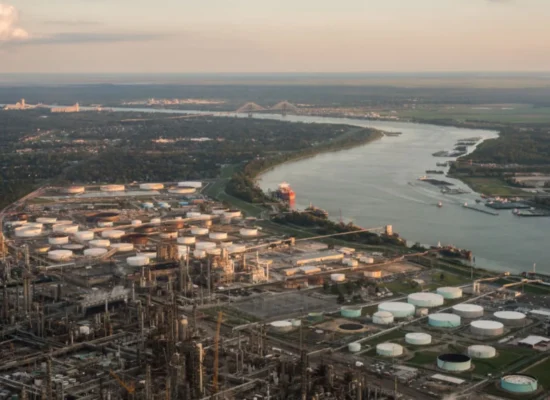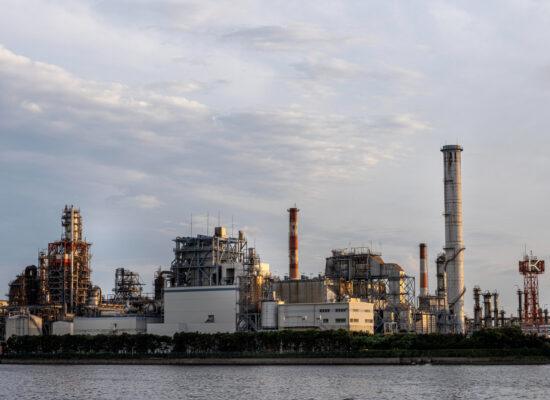
When people ask what chemicals are found in Cancer Alley, they are usually referring to the industrial corridor stretching along the Mississippi River between Baton Rouge and New Orleans.
The short answer is this:
Cancer Alley contains a mixture of industrial chemicals linked to cancer concerns, respiratory illness, environmental contamination, and long-term public health debates.
Some of the chemicals most commonly discussed include:
- chloroprene
- benzene
- ethylene oxide
- 1,3-butadiene
- formaldehyde
- sulfur dioxide and particulate matter
- PFAS and groundwater contaminants in some areas
Not every community in Cancer Alley experiences the same exposure risks, and not every facility releases the same pollutants. Risks vary depending on geography, nearby industrial activity, wind patterns, environmental conditions, and the types of facilities operating in a particular parish.
Still, decades of environmental monitoring, emissions reporting, litigation, and scientific research have repeatedly drawn attention to several recurring chemicals across the region.
Quick Answer: Major Chemicals Found in Cancer Alley
| Chemical | Common Source | Why It Matters | Potential Concerns |
|---|---|---|---|
| Chloroprene | Synthetic rubber manufacturing | Frequently discussed near St. John the Baptist Parish | Elevated cancer concerns |
| Benzene | Refineries, petrochemical facilities | Known carcinogen | Leukemia, blood disorders |
| Ethylene Oxide | Chemical manufacturing | EPA identified elevated cancer concerns | Lymphoma, breast cancer concerns |
| 1,3-Butadiene | Petrochemical manufacturing | Common refinery pollutant | Increased cancer concerns |
| Formaldehyde | Refining and combustion | Common industrial air pollutant | Respiratory irritation |
| Sulfur Dioxide & PM | Refinery emissions | Major air quality concern | Asthma, lung disease |
| PFAS | Industrial runoff, firefighting foam | Persistent “forever chemicals” | Water contamination concerns |
While Cancer Alley is primarily associated with airborne industrial pollution, concerns involving groundwater contamination and drinking water quality have also emerged in some Louisiana communities.
What Is Cancer Alley?
“Cancer Alley” is the nickname commonly used to describe the heavily industrialized stretch of Louisiana along the Mississippi River between New Orleans and Baton Rouge.
The region contains one of the highest concentrations of petrochemical facilities, refineries, plastics manufacturers, and industrial plants in the United States. Communities in parishes such as St. James, St. John the Baptist, Ascension, Iberville, and St. Charles often sit close to major industrial operations.
For decades, these industries have supported Louisiana’s economy through jobs, manufacturing, and energy production. At the same time, residents and environmental groups have raised questions regarding long-term exposure to industrial emissions, environmental pollution in Louisiana, and whether nearby communities face elevated environmental risks.
Not every industrial facility creates the same concerns, and not every community faces identical conditions. However, several chemicals repeatedly appear in environmental monitoring, emissions reporting, and litigation involving Cancer Alley.
Chloroprene: The Chemical Most Closely Associated With Cancer Alley
Of all the chemicals discussed in Cancer Alley, chloroprene is perhaps the most recognizable.
Chloroprene is primarily used to manufacture neoprene synthetic rubber, which appears in products such as wetsuits, industrial belts, automotive parts, adhesives, and protective equipment.
The chemical gained national attention because of emissions associated with the Denka Performance Elastomer facility in St. John the Baptist Parish.
Why Is Chloroprene Controversial?
According to EPA assessments, chloroprene exposure at elevated levels may increase long-term cancer concerns.
The EPA classifies chloroprene as a likely human carcinogen, and emissions monitoring near certain industrial sites has resulted in increased scrutiny surrounding nearby communities.
Residents living near industrial facilities have raised concerns involving:
- long-term exposure
- air quality impacts
- cumulative environmental burden
- possible long-term health risks
At the same time, debate continues regarding how exposure risk should be measured and whether emissions controls sufficiently protect nearby residents.
In many ways, chloroprene represents the larger debate surrounding Cancer Alley:
How should communities, regulators, and companies evaluate long-term industrial exposure?
That question has become central to discussions surrounding toxic exposure and environmental contamination claims throughout Louisiana.
Benzene: A Common Refinery Chemical
Benzene is another chemical frequently associated with Cancer Alley and one of the most extensively studied industrial pollutants in the United States.
Benzene occurs naturally in crude oil and gasoline and is commonly released during:
- refinery operations
- petrochemical manufacturing
- fuel storage
- industrial combustion
Because Louisiana contains one of the nation’s largest refinery corridors, benzene emissions have remained a recurring concern in certain industrial communities.
Why Is Benzene Dangerous?
Benzene is classified by organizations including the EPA and the International Agency for Research on Cancer (IARC) as a known human carcinogen.
Long-term benzene exposure has been associated with:
- leukemia
- blood disorders
- immune system suppression
- bone marrow damage
Unlike a sudden industrial accident, benzene-related concerns typically involve long-term low-level exposure over many years.
Federal agencies continue monitoring refinery emissions and community air quality in areas where industrial activity remains high. These discussions often intersect with larger concerns involving industrial contamination and toxic pollution in Louisiana.
Ethylene Oxide: A Growing Concern
Ethylene oxide is a gas commonly used in chemical manufacturing and sterilization processes.
The chemical has received increased attention in recent years after EPA risk assessments identified elevated cancer concerns associated with prolonged exposure.
Potential concerns linked to ethylene oxide may include:
- lymphoma
- breast cancer concerns
- blood-related cancers
Although not every Cancer Alley community experiences meaningful ethylene oxide exposure, the chemical has become part of larger conversations surrounding cumulative industrial pollution.
One challenge in Cancer Alley is that communities are rarely exposed to only one chemical. Instead, residents may live near multiple facilities releasing different pollutants over decades.
That cumulative exposure question often becomes a major factor in discussions involving environmental contamination cases.
Concerned About Environmental Contamination in Louisiana?
Industrial development has played an important role in Louisiana’s economy for generations. However, when pollution, toxic exposure, or groundwater contamination raises serious questions about public health or property damage, communities deserve answers.
If you believe industrial contamination may have affected your health, drinking water, property, or community, you may want to better understand your legal options. Stag Liuzza’s environmental litigation team handles complex cases involving toxic exposure, industrial pollution, groundwater contamination, and public health concerns across Louisiana.
Environmental cases are often time-sensitive and evidence can become more difficult to preserve over time. You can speak with our team to help you better understand whether you may have a claim.
When people ask what chemicals are found in Cancer Alley, they are usually referring to the industrial corridor stretching along the Mississippi River between Baton Rouge and New Orleans.
The short answer is this:
Cancer Alley contains a mixture of industrial chemicals linked to cancer concerns, respiratory illness, environmental contamination, and long-term public health debates.
Some of the chemicals most commonly discussed include:
- chloroprene
- benzene
- ethylene oxide
- 1,3-butadiene
- formaldehyde
- sulfur dioxide and particulate matter
- PFAS and groundwater contaminants in some areas
Not every community in Cancer Alley experiences the same exposure risks, and not every facility releases the same pollutants. Risks vary depending on geography, nearby industrial activity, wind patterns, environmental conditions, and the types of facilities operating in a particular parish.
Still, decades of environmental monitoring, emissions reporting, litigation, and scientific research have repeatedly drawn attention to several recurring chemicals across the region.
Quick Answer: Major Chemicals Found in Cancer Alley
| Chemical | Common Source | Why It Matters | Potential Concerns |
|---|---|---|---|
| Chloroprene | Synthetic rubber manufacturing | Frequently discussed near St. John the Baptist Parish | Elevated cancer concerns |
| Benzene | Refineries, petrochemical facilities | Known carcinogen | Leukemia, blood disorders |
| Ethylene Oxide | Chemical manufacturing | EPA identified elevated cancer concerns | Lymphoma, breast cancer concerns |
| 1,3-Butadiene | Petrochemical manufacturing | Common refinery pollutant | Increased cancer concerns |
| Formaldehyde | Refining and combustion | Common industrial air pollutant | Respiratory irritation |
| Sulfur Dioxide & PM | Refinery emissions | Major air quality concern | Asthma, lung disease |
| PFAS | Industrial runoff, firefighting foam | Persistent “forever chemicals” | Water contamination concerns |
While Cancer Alley is primarily associated with airborne industrial pollution, concerns involving groundwater contamination and drinking water quality have also emerged in some Louisiana communities.
What Is Cancer Alley?
“Cancer Alley” is the nickname commonly used to describe the heavily industrialized stretch of Louisiana along the Mississippi River between New Orleans and Baton Rouge.
The region contains one of the highest concentrations of petrochemical facilities, refineries, plastics manufacturers, and industrial plants in the United States. Communities in parishes such as St. James, St. John the Baptist, Ascension, Iberville, and St. Charles often sit close to major industrial operations.
For decades, these industries have supported Louisiana’s economy through jobs, manufacturing, and energy production. At the same time, residents and environmental groups have raised questions regarding long-term exposure to industrial emissions, environmental pollution in Louisiana, and whether nearby communities face elevated environmental risks.
Not every industrial facility creates the same concerns, and not every community faces identical conditions. However, several chemicals repeatedly appear in environmental monitoring, emissions reporting, and litigation involving Cancer Alley.
Chloroprene: The Chemical Most Closely Associated With Cancer Alley
Of all the chemicals discussed in Cancer Alley, chloroprene is perhaps the most recognizable.
Chloroprene is primarily used to manufacture neoprene synthetic rubber, which appears in products such as wetsuits, industrial belts, automotive parts, adhesives, and protective equipment.
The chemical gained national attention because of emissions associated with the Denka Performance Elastomer facility in St. John the Baptist Parish.
Why Is Chloroprene Controversial?
According to EPA assessments, chloroprene exposure at elevated levels may increase long-term cancer concerns.
The EPA classifies chloroprene as a likely human carcinogen, and emissions monitoring near certain industrial sites has resulted in increased scrutiny surrounding nearby communities.
Residents living near industrial facilities have raised concerns involving:
- long-term exposure
- air quality impacts
- cumulative environmental burden
- possible long-term health risks
At the same time, debate continues regarding how exposure risk should be measured and whether emissions controls sufficiently protect nearby residents.
In many ways, chloroprene represents the larger debate surrounding Cancer Alley:
How should communities, regulators, and companies evaluate long-term industrial exposure?
That question has become central to discussions surrounding toxic exposure and environmental contamination claims throughout Louisiana.
Benzene: A Common Refinery Chemical
Benzene is another chemical frequently associated with Cancer Alley and one of the most extensively studied industrial pollutants in the United States.
Benzene occurs naturally in crude oil and gasoline and is commonly released during:
- refinery operations
- petrochemical manufacturing
- fuel storage
- industrial combustion
Because Louisiana contains one of the nation’s largest refinery corridors, benzene emissions have remained a recurring concern in certain industrial communities.
Why Is Benzene Dangerous?
Benzene is classified by organizations including the EPA and the International Agency for Research on Cancer (IARC) as a known human carcinogen.
Long-term benzene exposure has been associated with:
- leukemia
- blood disorders
- immune system suppression
- bone marrow damage
Unlike a sudden industrial accident, benzene-related concerns typically involve long-term low-level exposure over many years.
Federal agencies continue monitoring refinery emissions and community air quality in areas where industrial activity remains high. These discussions often intersect with larger concerns involving industrial contamination and toxic pollution in Louisiana.
Ethylene Oxide: A Growing Concern
Ethylene oxide is a gas commonly used in chemical manufacturing and sterilization processes.
The chemical has received increased attention in recent years after EPA risk assessments identified elevated cancer concerns associated with prolonged exposure.
Potential concerns linked to ethylene oxide may include:
- lymphoma
- breast cancer concerns
- blood-related cancers
Although not every Cancer Alley community experiences meaningful ethylene oxide exposure, the chemical has become part of larger conversations surrounding cumulative industrial pollution.
One challenge in Cancer Alley is that communities are rarely exposed to only one chemical. Instead, residents may live near multiple facilities releasing different pollutants over decades.
That cumulative exposure question often becomes a major factor in discussions involving environmental contamination cases.
Concerned About Environmental Contamination in Louisiana?
Industrial development has played an important role in Louisiana’s economy for generations. However, when pollution, toxic exposure, or groundwater contamination raises serious questions about public health or property damage, communities deserve answers.
If you believe industrial contamination may have affected your health, drinking water, property, or community, you may want to better understand your legal options. Stag Liuzza’s environmental litigation team handles complex cases involving toxic exposure, industrial pollution, groundwater contamination, and public health concerns across Louisiana.
Environmental cases are often time-sensitive and evidence can become more difficult to preserve over time. You can speak with our team to help you better understand whether you may have a claim.