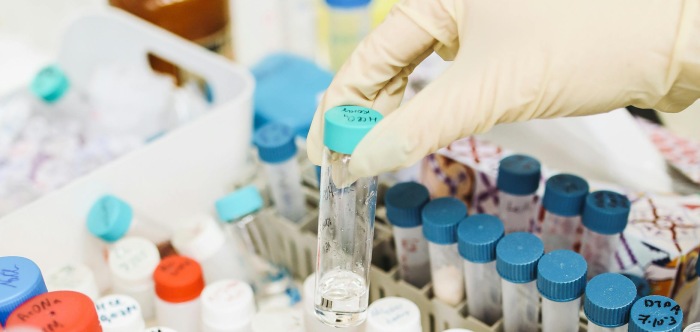
Lab grown meat, also called cultivated or cell-cultured meat, is meat produced by growing animal cells in a controlled environment. This is an alternative to raising and slaughtering animals. Scientists take a small sample of animal cells, and place them in nutrient-rich culture media. The cells then grow into muscle tissue that is biologically the same as conventional meat.
Why was lab grown meat created?
Lab grown meat was created to address several environmental, ethical, and food-supply challenges associated with conventional meat production.
First, it aims to reduce the environmental impact of livestock farming. For example, greenhouse gas emissions, land use, and water consumption are reduced. Second, lab grown was developed to limit animal suffering by producing meat without raising or slaughtering animals. Third, proponents of lab grown meat argue it could strengthen food security by providing a more controlled, scalable protein source as the global population grows.
Researchers and companies also point to potential public health benefits. These include the reduced risk of foodborne illness and less reliance on antibiotics.
Who approves and monitors lab grown meat?
The FDA plays a key role in overseeing lab-grown meat, particularly the early stages of production. The FDA regulates the cell collection, cell growth, and differentiation process to ensure the product is safe for human consumption. Once the product moves to harvesting, processing, and labeling, oversight is shared with the U.S. Department of Agriculture (USDA), which inspects facilities and regulates labeling for meat and poultry products. This joint FDA–USDA framework is intended to ensure that lab-grown meat meets the same safety standards as traditionally produced meat.
Is lab grown meat safe to eat?
Lab grown meat is still new and not widely consumed. Therefore, long-term consumption data is limited. Ongoing oversight and post-market monitoring will be important as production scales.
Why are states banning lab grown meat?
Although the FDA and USDA have approved certain products as safe and lawful to sell, some states are moving to ban lab grown meat. These bans are largely driven by efforts to protect traditional livestock and agricultural industries. Additionally, they raise concerns about consumer protection, food labeling, and unfamiliar production processes.
What states have banned lab grown meat?
States including Florida, Alabama, Mississippi, Montana, and Texas have passed laws restricting or prohibiting the manufacture, sale, or distribution of lab-grown meat. Often, the restrictions are accompanied by fines or penalties for violations. In turn, this raises legal concerns that bans conflict with federal regulation of meat products.