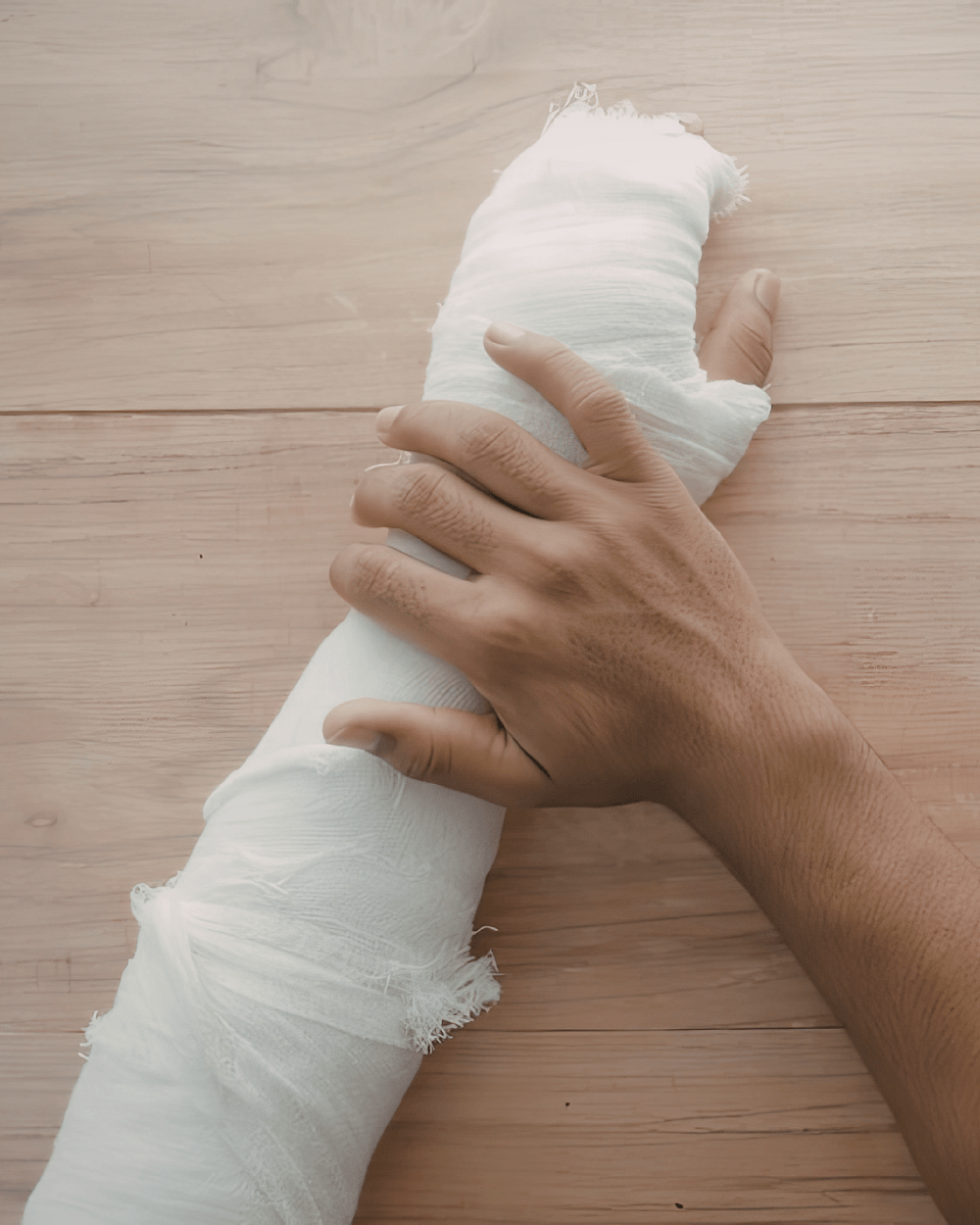
After an accident, most people expect compensation for medical bills or lost wages. But what about the physical pain, emotional stress, and life disruption that follows a serious injury?
That is where pain and suffering damages come into play.
In a personal injury case, pain and suffering refers to the physical pain, emotional distress, and reduced quality of life caused by an injury. Unlike medical bills or lost wages, these damages are harder to measure because they do not come with a receipt or fixed dollar amount.
However, pain and suffering is often one of the most significant parts of a serious personal injury claim.
What Does “Pain and Suffering” Mean in a Legal Context?
In legal terms, pain and suffering generally refers to the non-economic harm caused by an accident or injury.
This includes both:
Physical Pain
Physical pain refers to the actual discomfort and physical limitations caused by an injury.
Examples may include:
- chronic pain
- nerve damage
- headaches
- mobility limitations
- pain during rehabilitation
- ongoing discomfort from surgeries or treatment
In many cases, pain continues long after the initial injury heals.
For example, someone with a severe back injury may experience daily pain for years after a car accident.
Emotional and Mental Suffering
Pain and suffering also includes emotional and psychological harm caused by an accident.
This may involve:
- anxiety
- depression
- PTSD (post-traumatic stress disorder)
- sleep disturbances
- emotional distress
- fear of driving or returning to work
For many accident victims, emotional suffering can become just as life-changing as the physical injury itself.
Severe injuries that permanently affect independence or quality of life often become a major part of personal injury claims in New Orleans.
Examples of Pain and Suffering in a Personal Injury Case
Pain and suffering looks different from case to case.
A minor soft tissue injury may involve temporary discomfort, while a catastrophic injury could permanently alter every part of someone’s life.
Examples may include:
A Serious Car Accident
Someone suffers a spinal injury requiring surgery.
Even after treatment, they may continue experiencing:
- chronic back pain
- difficulty sleeping
- reduced mobility
- inability to enjoy hobbies or activities
A Traumatic Brain Injury
A victim survives a serious accident but struggles with:
- memory problems
- mood changes
- concentration issues
- depression
Although the injury may not always be visible, the emotional and cognitive impact can be severe.
Severe Burns or Disfigurement
Pain and suffering may include:
- physical pain from treatment
- emotional trauma
- scarring-related distress
- loss of confidence or social anxiety
This is one reason catastrophic injuries often lead to larger damages claims.
You can learn more about what qualifies as a catastrophic injury in Louisiana and why these injuries often involve substantial long-term losses.
How Is Pain and Suffering Calculated?
One of the biggest questions people ask is:
How much is pain and suffering worth?
The truth is:
There is no exact formula.
Insurance companies, lawyers, and juries evaluate pain and suffering differently depending on the circumstances.
Several factors often influence value.
Severity of the Injury
Generally speaking, more serious injuries lead to higher pain and suffering damages.
For example:
- broken bones typically carry lower values than paralysis
- temporary injuries usually carry lower values than permanent disability
- minor treatment often results in lower claims than surgery or hospitalization
Length of Recovery
The longer symptoms last, the stronger a pain and suffering claim may become.
Someone recovering for six months may face a different claim value than someone living with pain for life.
Impact on Daily Life
A key question is:
How much has the injury changed the person’s life?
Courts and insurers may consider whether an injury affects:
- ability to work
- hobbies and recreation
- relationships
- independence
- daily routine
Medical Documentation
Pain and suffering claims are stronger when backed by evidence.
Examples include:
- medical records
- physician notes
- physical therapy records
- psychological treatment records
- imaging and diagnostic tests
Consistent treatment often helps demonstrate the seriousness of an injury.
What Evidence Helps Prove Pain and Suffering?
Because pain and suffering damages are subjective, evidence matters.
Some of the strongest forms of evidence include:
Medical Records
Doctors’ notes help establish:
- severity of injury
- pain complaints
- treatment needs
- long-term prognosis
Mental Health Treatment
Therapy records may help document:
- anxiety
- depression
- trauma symptoms
- emotional distress
Testimony From Family or Friends
People close to the injured person may describe changes involving:
- mood
- personality
- mobility
- independence
Personal Journals or Documentation
Some victims keep records documenting:
- daily pain levels
- treatment struggles
- missed activities
- emotional hardship
The stronger the evidence, the easier it becomes to explain how an injury affected daily life.
This is one reason evidence in a personal injury case often plays a major role in claim value.
Is There a Cap on Pain and Suffering Damages in Louisiana?
In most Louisiana personal injury cases, there is no general cap on pain and suffering damages.
However, certain case types may involve limitations or special rules.
Because every claim is different, the value of pain and suffering often depends on:
- the type of injury
- severity of impairment
- future medical needs
- liability evidence
- long-term life impact
Why Insurance Companies Fight Pain and Suffering Claims
Insurance companies often challenge pain and suffering because it is difficult to measure objectively.
Common arguments may include:
- injuries are not as severe as claimed
- pain is exaggerated
- treatment was unnecessary
- emotional harm is unrelated to the accident
This is one reason serious injury cases often require extensive documentation and preparation.
Insurance companies are more likely to take claims seriously when strong evidence exists showing how an injury changed someone’s life.
When Should You Speak With a Personal Injury Lawyer?
If an injury has affected your ability to work, enjoy daily life, or recover emotionally after an accident, it may be worth understanding your legal options.
Pain and suffering damages can become a major part of compensation in serious injury claims, particularly when injuries involve surgery, permanent disability, or long-term recovery.
Stag Liuzza’s personal injury lawyers in New Orleans handle complex accident cases involving severe injuries, catastrophic harm, and long-term pain and suffering damages.
The sooner evidence is preserved, the stronger a claim may become.