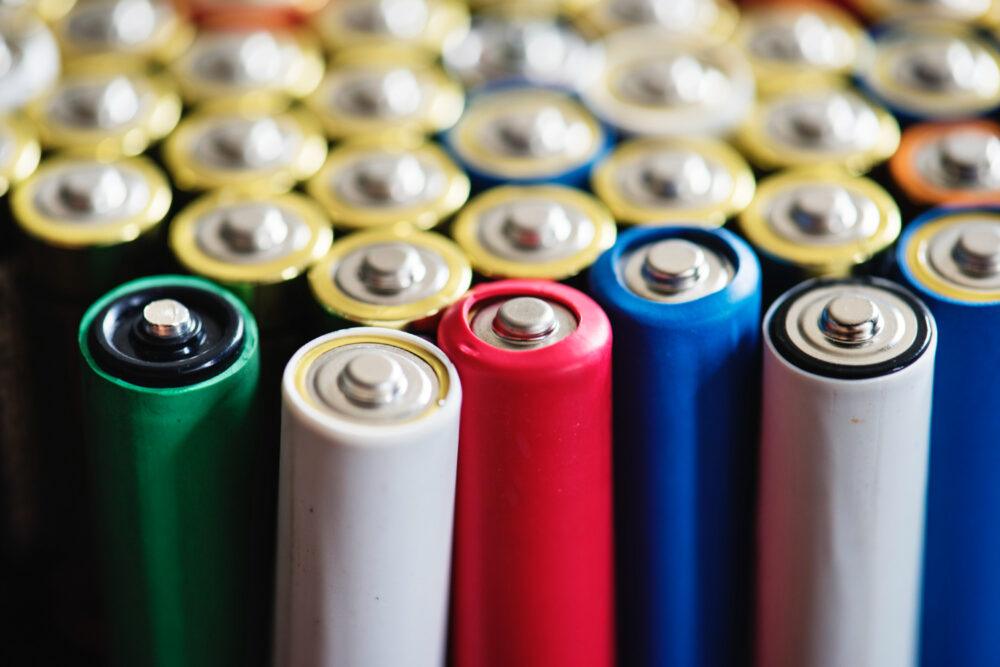
As the world shifts towards cleaner energy, lithium-ion batteries have increasingly become an important part of that transition. They power electric vehicles, cell phones, laptops, and renewable energy storage systems across the world. In many ways they’re a cleaner alternative to traditional energy technologies. However, a study published in Nature Communications tells a more complicated story: Researchers found that certain lithium-ion batteries contain a novel class of PFAS chemicals that are already appearing as pollutants in water, soil, and sediments globally.
What Are bis-FASIs?
The group of PFAS compounds identified in the study are called bis-(perfluoroalkylsulfonyl)imides, or bis-FASIs for short. Manufacturers use these ionic liquids in their lithium salt form as battery electrolytes and additives to facilitate the movement of ions between the battery’s positive and negative electrodes. Bis-FASIs are also added as an anti-static agent to polyvinylidene fluoride, a polymer found in battery binders and separators. Bis-(perfluoromethylsulfonyl)imide (bis-FMeSI), also known as bistriflimide, is the most common bis-FASI used in batteries today. Battery manufacturers have used it for years without much public attention to its environmental footprint.
Findings
Scientists collected water, soil, and sediment samples near fluorochemical manufacturing plants in Minnesota, Kentucky, Belgium, and France. Bis-FMeSI turned up in surface water at levels as high as 2,437 nanograms per liter near one facility. Soil samples near another plant contained elevated concentrations linked to airborne deposition. These findings suggest that bis-FASI releases are not isolated to a single region, rather they are an international pollutant.
Impact on Organic Life
Laboratory testing exposed small aquatic organisms, including the water flea Daphnia magna and Zebrafish, to bis-FMeSI. Researchers observed changes in swimming behavior at concentrations as low as ten nanograms per liter – within the range of levels commonly found in environmental waters. Zebrafish embryos also showed disrupted mitochondrial function during early development. Both results point to biological effects at levels similar to those researchers are finding in water and wastewater.
Efficacy of Water Treatment
Standard treatment methods showed mixed results in the study. Granular activated carbon removed bis-FMeSI from water at rates comparable to those for PFOA, a well-known and regulated PFAS. Ion exchange resin performed even better in the tests. However, oxidation processes failed to break the compound down, meaning it resists destruction once it reaches concentrated waste streams.
What Does This Mean for Consumers and Communities?
Recycling rates for lithium-ion batteries remain low across the country, and thus many or even most spent batteries end up in landfills. Worryingly, researchers detected bis-FMeSI in multiple landfill leachates collected across North Carolina. That finding suggests disposal may become an ongoing source of pollution with battery-associated fluorochemicals as consumer electronics, and even electric vehicles, become more widely used. Communities near manufacturing facilities and landfills may face long-term exposure risks that regulators have not yet addressed.
Regulation Concerns
While the EPA already limits six other PFAS compounds in drinking water, bis-FASIs currently fall outside PFAS regulatory frameworks worldwide. However, growing evidence about bis-FASI toxicity and persistence may eventually prompt closer regulatory scrutiny. Until that happens, communities near certain manufacturing and disposal sites will continue to be exposed.
This work adds lithium-ion batteries to a growing list of unanticipated PFAS sources. Understanding potential contamination sources early can help residents make more informed decisions about their water and property. Removing these chemicals from drinking water remains technologically challenging and identifying pollution sources is a critical first step toward addressing the problem.