By Ashley M. Liuzza; Stag Liuzza, LLC; New Orleans, Louisiana
Note: This article was originally published in the August 2026 edition of Louisiana Advocates, the Louisiana Association for Justice’s monthly member publication. You can learn more about LA Advocates at https://www.lafj.org/?pg=LAAdvocates.

What is one word that describes a firefighter? Some might say brave, strong, fearless, or selfless. But one particular word stands out: hero.
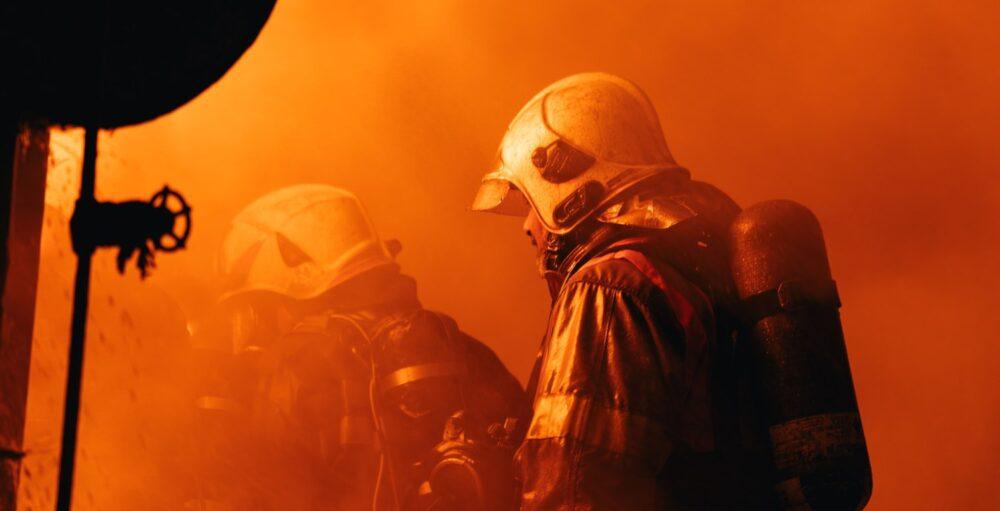
Most people consider firefighters to be heroes because their profession requires them to place themselves in harm’s way to protect the lives, safety, and property of others. It’s the very reason many firefighters were called to the profession.
Our firm represents firefighters who have developed cancer due to exposure to aqueous film-forming foam (AFFF), the firefighting foam made with per- and polyfluoroalkyl substances (PFAS) known as forever chemicals. In one case involving a firefighter who developed testicular cancer from his exposure to AFFF, the defendant filed a motion in limine to prohibit the plaintiff firefighter and others from being referred to as “heroes.” The motion argued that the term is irrelevant, mischaracter- izes the evidence, and risks invoking juror sympathy under Federal Rules of Evidence 403 and 404.1
In a case involving a firefighter who developed cancer from his workplace exposure, it’s impossible to see how the label “hero” is irrelevant.2 This is especially true because AFFF and other PFAS-containing products have often been marketed using the word “hero.”3 The defense in this case made it clear that they intend to present a case that their AFFF product saves lives and property, while preventing us from labeling the true hero. There are few pretrial motions in my career that have made me angry, but this one had me fuming.
Each year, firefighters across the United States respond to an immense number of calls. In 2024, fire departments responded to a fire every 23 seconds, totaling 1.38 million fires.4 About 23% involved homes — places that hold families, memories, and prized possessions.5 Saving those homes is part of a firefighter’s job. Most people would fairly call that work heroic.
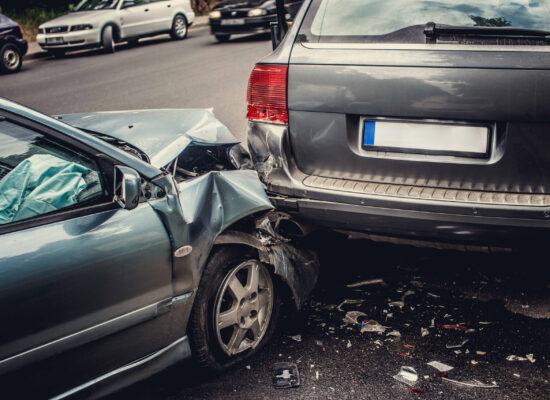
In 2021, firefighters saved more than 500 civilians in the United States.6 People often encounter firefighters on one of the worst days of their lives: during a medical emergency, car crash, or house fire. Firefighters respond because their job is to protect, help, and save us.
The work is dangerous. Unfortunately, some pay the ultimate price. In 2024, 72 firefighters died in the line of duty. Twenty-six of those firefighters died during fire-related activities and 16 during non-fire incidents.7 In addition, 53,575 firefighters suffered injuries during the line of duty in 2024.8
These numbers don’t include firefighters who develop cancer from occupational exposure to things like AFFF.9 These risks and sacrifices are why many people refer to firefighters as heroes.
An important question remains about the motion in limine. Is the word “hero” truly irrelevant, or is it simply a label that defense counsel finds persuasive?
Rules 403 and 404 exist to exclude information that lacks relevance or that unfairly prejudices a party. Those rules do not exist to exclude accurate descriptions merely because jurors may agree with them. A firefighter’s willingness to risk their own life to save complete strangers is undeniable. It lies at the core of the profession. It is precisely why they so rightly deserve to be called heroes.
Courts should prohibit arguments that encourage jurors to reach verdicts based on sympathy rather than evidence.
When the evidence shows that a firefighter extinguished a house fire or entered a burning building to protect lives and property, it is reasonable to characterize those actions as heroic. Such a description simply reflects the nature of the conduct itself rather than serving as an improper appeal to emotion.
The motion also overlooks that jurors bring their own life experiences into the courtroom. We are all raised knowing the sacrifice firefighters make and the risks they take. Some jurors may have personally encountered firefighters. Others may have seen them respond in their communities to hurricanes, floods, fires, car accidents, or medical emergencies. The public under- stands that firefighters play a tremendous role in protecting people and property. Through decades of service and sacrifice, firefighters have rightfully earned the term “heroes,” which makes that description relevant in a case involving one.
While we intend to vigorously fight the motion in limine, I cannot help but think: Does it really matter? Will using another label change what the jury already knows? Hero is not an inflated label used to evoke sympathy from a jury. It is the essence of what firefighters do and who they are.
Even without using the label, the jurors won’t forget that firefighters risk their lives every day on the job. My client is no exception. He is a hero and his many years of service to his community prove it. No amount of defense trickery or pretrial motions can change that.
Endnotes
- Under Rule 403, a judge can exclude relevant evidence if its “probative value is substantially outweighed” by the danger of unfair prejudice, confusing the issues, misleading the jury, undue delay, wasting time, or presenting needlessly cumulative evidence. Rule 404 governs character evidence in court. Under FRE 404(a), you generally cannot introduce a person’s character trait to prove they acted in conformity with it on a specific occasion.
- Under Rule of evidence 402, all relevant evidence is admissible, while irrelevant evidence is never admissible.
- One of the distributors involved in the sale of AFFF has a slogan for its company “Tools for Heroes.”
- www.nfpa.org/education-and-research/research/nfpa-research/fire-statistical-reports/fire-loss-in-the-united-states
- Id.
- Id.
- www.usfa.fema.gov/statistics/reports/firefighters-departments/firefighter-fatalities.html
- www.nfpa.org/education-and-research/research/nfpa-research/fire-statistical-reports/firefighter-injuries-in-the-united-states
- The science on AFFF supports a clear causal link between AFFF and certain cancers. In fact, many AFFF products are no longer sold in the United States due to health concerns.