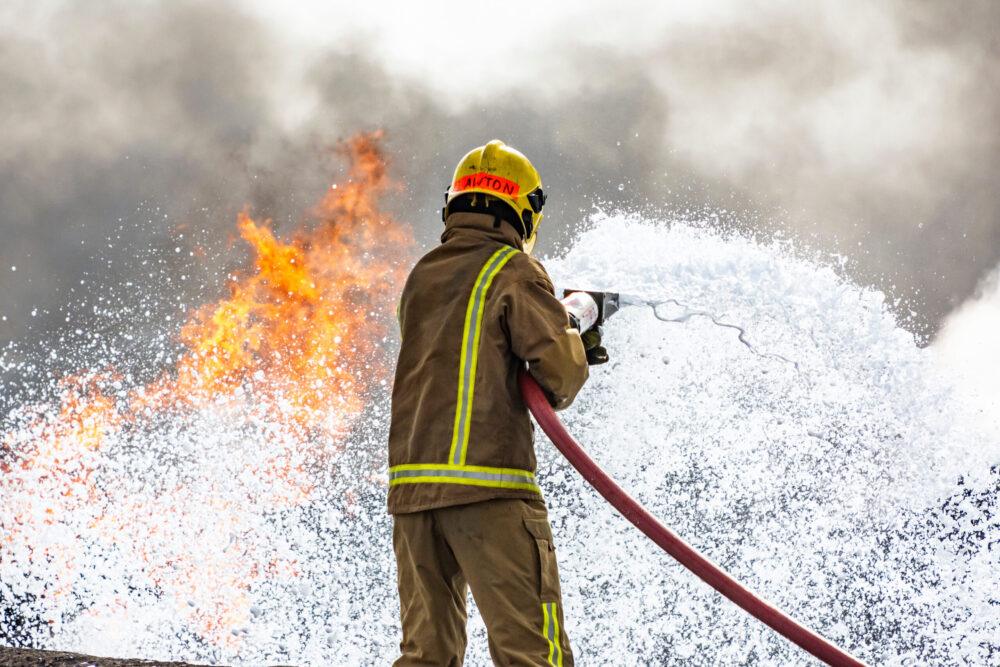
Scientists have documented the link between firefighters and elevated chemical exposure for years. These chemicals saturate firefighting foam. Manufacturers weave them into the moisture barriers of protective gear. Firefighters experience exposure through skin contact, inhalation, and ingestion during and after fires. This building evidence influenced the multidistrict litigation design. Newer evidence suggests healthcare workers may face their own elevated exposure pathway. This discovery surprised many experts. A March 2025 study examined chemical blood levels specifically in healthcare workers. Researchers compared them against other essential worker groups.
The Study
University of Arizona researchers analyzed serum samples from nearly two thousand workers. These workers participated in a major surveillance study. The study ran from July 2020 through April 2023. It included firefighters, healthcare workers, first responders, and other essential workers. Researchers measured concentrations of fourteen different chemical compounds. They adjusted their models for demographic variables and sample collection years. They used the other essential workers as a reference group.
Firefighters
Firefighters carried the highest chemical concentrations in the study. They showed extremely elevated levels of several specific compounds compared to other workers. PFHxS (Perfluorohexanesulfonic Acid) causes particular concern. The EPA included it in the 2024 drinking water rule. Multiple studies document its association with thyroid and cardiovascular diseases. The firefighter findings perfectly match prior research. This study added a larger comparison group and a three-year window. Chemical levels among other essential workers declined annually during the study period. They dropped between six and seventeen percent each year. Firefighter levels ignored this downward trend. Ongoing occupational exposure replenished their bodily burden faster than natural elimination processes.
Healthcare Workers
The healthcare worker findings were the most novel contribution. Clinical workers carried moderately elevated levels of PFHpS (Perfluoroheptanesulfonic acid) and PFUnA (Perfluoroundecanoic acid). They also showed significantly higher odds of carrying two other dangerous compounds in their blood. Researchers could not pinpoint the exact exposure source. They suggested disposable surgical masks and gowns as plausible candidates. These items use chemicals for fluid resistance. X-ray film historically uses fluorinated compounds. Manufacturers also treat other medical materials with chemicals for barrier protection. Potential exposure routes include skin contact, inhalation of fine particles, and incidental ingestion. Senior author Kate Ellingson noted the lack of broad study regarding healthcare exposure. Potential exposure sources remain unclear. The authors framed their study as a first step rather than a final answer.
The Implications for Workers and Their Families
These chemicals accumulate inside the body. They carry half-lives measured in years. Elevated occupational exposure compounds over a career. Older firefighters may carry massive bodily burdens built up over decades. They spent years contacting contaminated foam and protective clothing. Healthcare workers face a less clear picture but hold real concerns. Clinical workers never previously considered themselves occupationally exposed to forever chemicals. They spend careers surrounded by contaminated materials. The Arizona study suggests they may need to reconsider that assumption. Both populations face elevated cancer risks, immune effects, and cardiovascular consequences. Sick workers with documented occupational exposure may hold legal claims against chemical manufacturers. For more on PFAS exposure in firefighters and related litigation, see Stag Liuzza’s AFFF and PFAS litigation resources.