What Do These Settlements Reveal
Recent Louisiana settlements show how evidence can shape a serious injury claim. Reported recoveries ranged from $1 million to more than $86 million. The cases involved industrial machinery, vehicles, a forklift, a vessel, and retail merchandise. Different facts drove each result, but several practical lessons appear across the reports.
How Can Early Investigation Change a Case?
The largest reported recovery involved a plant worker crushed by heavy machinery. A co-worker reversed equipment while unloading a box truck. The worker suffered orthopedic and intestinal injuries and endured more than 50 surgical procedures.
The defendants disputed liability and blamed the injured worker. Before suit, investigators found alternative equipment designs that could have prevented the incident. The defendants settled for $83 million one month before trial. The reported recovery exceeded $86 million after resolving the workers’ compensation claim.
Why Do Safety Rules and Training Records Matter?
A forklift case produced a reported $6.5 million partial settlement after a pedestrian died. The family alleged failures involving lookout, warning systems, training, supervision, and escort procedures. Another case involved a store’s failure to secure a rolled rug under its safety policy. That claim settled for $2.75 million after the shopper underwent several neck surgeries.
In these matters, the attorneys relied on safety rules to secure compensation for these injured plaintiffs. For example, OSHA injury and illness reporting guidance provides information about employer data submissions. Those records may identify dates, witnesses, equipment, and reported injuries. Additionally, policies, training files, inspection logs, and maintenance records can provide evidence of substandard conduct.
How Can Medical Proof Increase Settlement Value?

One commercial truck case involved minor vehicular damage, but the injured plaintiff underwent a two-level lumbar fusion. The defense the minor impact and prior medical history showed the injuries claimed were not caused by the crash at issue. In short, the defense claimed the injuries from the truck collision were minor. However, during deposition, the medical examiner hired by the defense agreed that the complaints of the injured plaintiff matched the medical imaging. This admission by the defense’s testifying physician helped the case to settle at mediation for $1.7 million.
Therefore, treatment records, imaging, and expert testimony are important to connect an injury to an event. They can also address earlier conditions and disputes about the force of impact. Injured plaintiffs who consistently seek treatment help to document the injury’s course and its effect on daily life. This often results in more money being paid to settle claims.
A $2.6 Million Jones Act Settlement
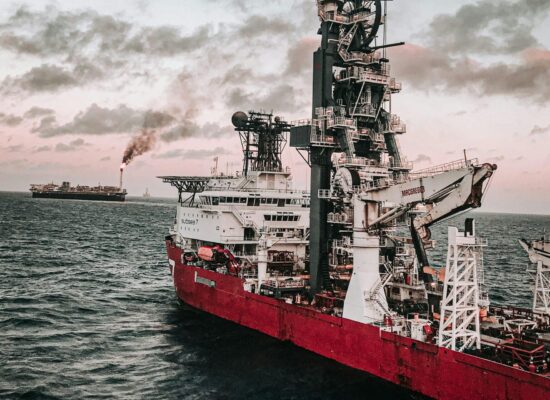
A production operator suffered serious shoulder injuries after slipping on a degraded deck. Plaintiff was permanently disabled from his oilfield employment. The vessel owner disputed seaman status and liability. The issue of seaman status is more fully discussed in our article explaining who qualifies as a seaman under the Jones Act. The case settled for $2.6 million before trial. This shows the defense believed there was substantial risk at trial that Plaintiff would prove he was a permanently disabled Jones Act seaman.
What Can Affect Case Value?
- Whether evidence is preserved – photographs, videos, documents, statements, and other documentation that support the factual allegations.
- Reported losses – surgeries, permanent disability, home nursing, lost income, and future care.
- Insurance limits that may restrict the available recovery.
What Should an Injured Person Do Next?
Medical care should remain the first priority after any serious accident. The incident should also be reported to the proper authority or business. Our guide describes additional steps to take after an accident in New Orleans.
Stag Liuzza evaluates serious personal injury claims involving industrial accidents, vehicles, unsafe property, and maritime work. Our investigation may include medical records, safety evidence, expert analysis, and insurance information. That evidence helps explain responsibility and the injury’s financial and personal effects.