Most people don’t spend much time thinking about where their drinking water comes from. They turn on the faucet, fill a glass, and expect the water to be safe.
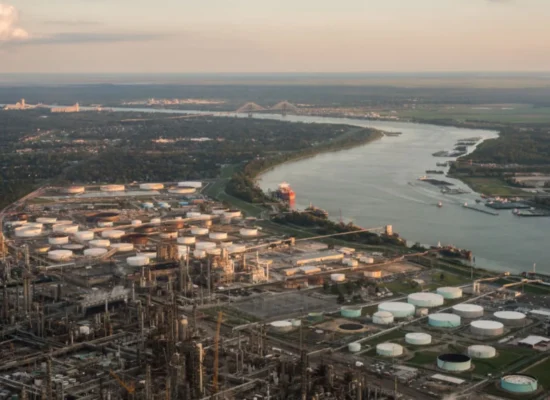
But for communities across the United States, groundwater contamination has become a serious concern. Industrial chemicals, hazardous waste, and other pollutants can enter underground water supplies, sometimes traveling miles from their original source before being discovered.
When contamination affects a community’s drinking water, the consequences can extend far beyond the immediate health concerns. Municipalities may face millions of dollars in treatment costs, homeowners may lose access to private wells, and property owners may discover that their land has been contaminated for decades.
One of the most important questions is also one of the most complicated: Who is responsible for the contamination, and who should pay to address it?
At Stag Liuzza, our environmental litigation attorneys represent communities, municipalities, water systems, and property owners affected by industrial pollution. Our water contamination lawyers investigate complex contamination claims and pursue accountability from parties whose actions have caused environmental harm.
How Does Groundwater Become Contaminated?
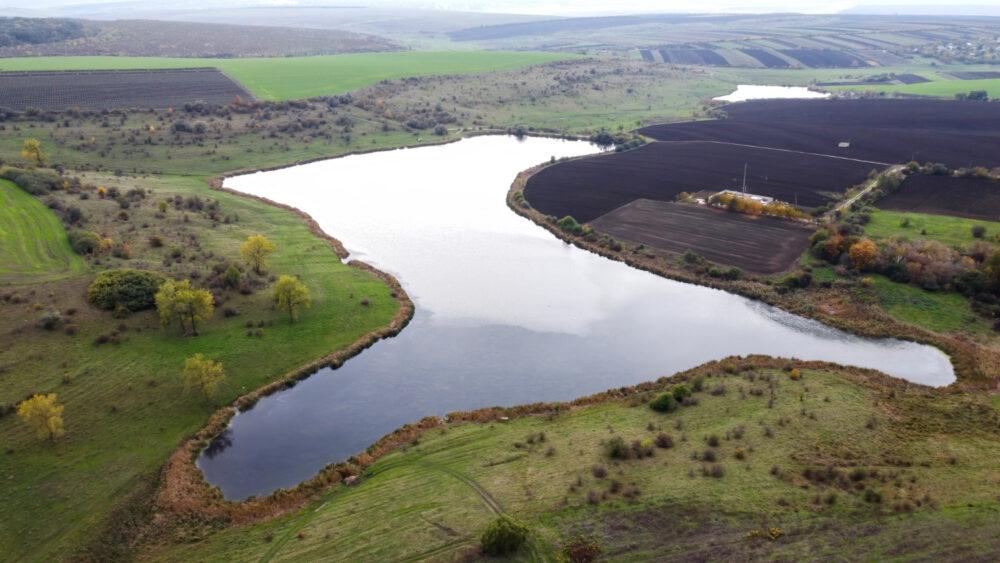
Groundwater is water that collects beneath the Earth’s surface in the spaces between soil, sand, gravel, and rock. These underground water supplies, known as aquifers, provide drinking water to millions of Americans through public water systems and private wells.
Although groundwater is naturally filtered as it moves through soil and rock, that process doesn’t remove every harmful substance.
Certain industrial chemicals can travel through the ground, enter aquifers, and remain in water supplies for years or even decades.
Common sources of groundwater contamination include:
- Industrial manufacturing: Chemical production, metal processing, and other industrial activities may release hazardous substances into surrounding soil and water.
- Improper waste disposal: Landfills, disposal pits, and industrial waste sites can allow pollutants to migrate into groundwater.
- Chemical spills and leaks: Accidental releases from storage tanks, pipelines, and industrial equipment can introduce contaminants into underground water supplies.
- Firefighting foam: Certain firefighting foams historically used at airports, military installations, and industrial facilities contain PFAS chemicals that can enter soil and groundwater.
- Agricultural and industrial runoff: Chemicals applied or released at the surface may migrate into underground water sources under certain conditions.
- Legacy industrial pollution: Contamination from facilities that closed decades ago may continue affecting nearby communities.
One of the biggest challenges is that groundwater doesn’t remain stationary.
As water moves through underground formations, it can carry dissolved contaminants beyond the property where the original release occurred.
This means a community experiencing contaminated drinking water may be located miles away from the facility responsible for introducing the pollutants.
Who Can Be Held Liable for Groundwater Contamination?
Determining responsibility for polluted groundwater requires identifying the source of contamination, understanding how the pollutants entered the environment, and establishing which parties may be legally accountable.
Depending on the circumstances, several types of businesses and organizations may be involved.
1. Industrial Manufacturers and Chemical Producers
Manufacturing facilities are among the potential sources of groundwater contamination.
Companies that produce or use industrial chemicals may release hazardous substances through wastewater, spills, leaking storage systems, or improper disposal practices.
In some cases, contamination occurs over many years before the full extent of the problem becomes apparent.
For example, a chemical manufacturing facility may have historically discharged waste containing persistent industrial compounds. Those chemicals could migrate through soil into nearby groundwater, eventually affecting residential wells or municipal water supplies.
If evidence establishes that the company’s activities caused legally actionable contamination, it may face claims for cleanup expenses, property damage, or other losses.
Chemical manufacturers may also face liability under certain legal theories when their products contribute to environmental contamination.
2. Waste Disposal Companies and Landfill Operators
Hazardous substances can enter groundwater when waste is improperly stored, handled, or disposed of.
Landfills and industrial disposal sites may contain chemicals capable of migrating through surrounding soil.
If containment systems fail or waste is improperly managed, contaminants can eventually reach underground water supplies.
Depending on the circumstances and applicable law, potentially responsible parties may include waste generators, transporters, disposal operators, and property owners.
These cases often require examining historical waste records to determine which companies contributed hazardous materials to a contaminated location.
3. Property Owners and Facility Operators
A business that owns or operates contaminated property may face legal responsibility under certain environmental laws.
For example, an industrial facility operator may be responsible for releases that occurred during its operations.
Under some federal cleanup laws, certain categories of parties may face liability based on their relationship to a contaminated site, subject to statutory requirements and available defenses.
However, owning contaminated property does not automatically establish liability under every legal theory.
The timing of ownership, the nature of the contamination, and the applicable environmental laws can significantly affect responsibility.
4. Companies Involved in Firefighting Foam Contamination
One of the most significant groundwater contamination issues in recent years involves per- and polyfluoroalkyl substances, commonly known as PFAS.
Certain PFAS chemicals were widely used in aqueous film-forming foam (AFFF), a type of firefighting foam historically used to combat fuel fires.
Airports, military bases, and industrial facilities used these products for decades.
When PFAS-containing foam was released during training exercises, equipment testing, or emergency responses, the chemicals could enter surrounding soil and groundwater.
Potential legal claims may involve chemical manufacturers, foam manufacturers, or other parties depending on their conduct and the applicable law.
The presence of PFAS at a facility does not automatically mean every entity associated with that location is legally responsible.
Stag Liuzza represents clients in complex PFAS and firefighting foam litigation, including claims involving widespread environmental contamination.
What Chemicals Are Commonly Involved in Groundwater Contamination Lawsuits?
Groundwater contamination can involve many different substances, each with its own environmental behavior, potential health effects, and legal considerations.
Two chemicals of particular concern in modern environmental litigation are PFAS and 1,4-dioxane.
PFAS: Persistent Chemicals That Can Spread Through Groundwater
PFAS are a large group of synthetic chemicals used in industrial processes and consumer products.
Certain PFAS compounds are highly persistent, meaning they resist natural breakdown and can remain in the environment for extended periods.
PFAS contamination has been associated with:
- Chemical manufacturing facilities
- Firefighting foam use at airports and military installations
- Industrial waste disposal sites
- Certain manufacturing and treatment processes
- Contaminated wastewater and residual materials
Some PFAS compounds can migrate through groundwater and affect drinking water supplies far from their original release points.
Exposure to certain PFAS has been associated with adverse health effects, although the risks vary by chemical, exposure level, and other factors.
The financial consequences can also be substantial.
Public water systems may need to install specialized treatment equipment, conduct additional testing, and maintain filtration infrastructure for years.
Our PFAS litigation attorneys help affected parties evaluate potential claims involving these persistent chemicals.
1,4-Dioxane: A Difficult-to-Remove Industrial Contaminant
Another emerging concern for communities and water systems is 1,4-dioxane.
This synthetic chemical has been used as an industrial solvent and stabilizer and can also occur as a byproduct or contaminant in certain manufactured products.
Unlike some chemicals that bind strongly to soil, 1,4-dioxane is highly soluble in water and can move readily through groundwater.
This mobility makes contamination particularly challenging to contain.
Conventional drinking water treatment methods may also be ineffective at removing 1,4-dioxane, potentially requiring specialized treatment technologies.
The U.S. Environmental Protection Agency has identified significant risks associated with certain exposures to 1,4-dioxane, including concerns involving contaminated drinking water.
For municipalities and property owners, identifying the source of contamination may require investigating industrial activities that occurred many years earlier.
Learn more about the environmental and legal challenges associated with 1,4-dioxane water contamination.
How Do Environmental Attorneys Prove Who Caused Groundwater Contamination?
Groundwater contamination lawsuits are often far more complicated than cases involving a single accident or clearly identifiable source of harm.
The contamination may have occurred over decades, multiple facilities may have contributed pollutants, and the chemicals may have traveled considerable distances before reaching affected properties.
Establishing responsibility often requires extensive scientific and historical investigation.
Environmental Sampling and Chemical Testing
The investigation typically begins by identifying which contaminants are present and measuring their concentrations.
Testing may involve groundwater wells, soil samples, surface water, and drinking water supplies.
Environmental scientists may also examine the chemical composition of contamination to help identify possible sources.
However, finding the same chemical at two locations does not necessarily prove that one location caused contamination at the other.
Additional evidence is often necessary.
Groundwater Modeling and Hydrogeological Analysis
Hydrogeologists study how groundwater moves through underground formations.
They may analyze soil conditions, aquifer characteristics, groundwater flow direction, and the movement of contaminant plumes.
This information can help investigators understand how pollution spread from a suspected source toward affected wells or water systems.
In complex cases, computer modeling may be used to evaluate possible contamination pathways.
Historical Industrial Records
Many environmental contamination cases involve industrial operations that occurred decades earlier.
Attorneys may investigate historical permits, waste disposal records, chemical purchasing documents, facility operations, and regulatory correspondence.
These records can help establish which chemicals were used, where waste was handled, and whether hazardous substances were released.
Expert Testimony
Environmental litigation frequently involves experts in chemistry, toxicology, hydrogeology, engineering, and other specialized fields.
Their analysis may help establish the source of contamination, the extent of environmental damage, potential exposure pathways, and the costs associated with remediation.
At Stag Liuzza, our environmental litigation team handles complex pollution cases requiring extensive scientific investigation and technical evidence.
What Laws Allow Communities to Hold Polluters Accountable?
Groundwater contamination claims may involve federal environmental statutes, state environmental laws, and traditional civil claims.
The legal options depend on the contaminant, the source of pollution, the parties involved, and the damages suffered.
CERCLA and Environmental Cleanup Liability
The Comprehensive Environmental Response, Compensation, and Liability Act (CERCLA), commonly known as Superfund, provides a framework for responding to certain releases of hazardous substances.
Under qualifying circumstances, the law allows recovery of eligible environmental response costs from potentially responsible parties.
CERCLA can be particularly important when contamination involves hazardous substances released at industrial or waste disposal sites.
However, not every contaminant or cleanup expense automatically qualifies under CERCLA.
The substance involved, statutory requirements, available defenses, and other legal factors must be considered.
State Environmental Laws
States may have their own environmental protection statutes, cleanup programs, and legal remedies for contaminated groundwater.
These laws can impose obligations on certain polluters and provide mechanisms for addressing environmental damage.
Because groundwater conditions and industrial histories vary significantly across the country, state law can play an important role in determining available claims.
Negligence, Nuisance, and Property Damage Claims
Depending on the circumstances, affected property owners and communities may also pursue civil claims based on negligence, nuisance, trespass, or other applicable legal theories.
For example, a property owner whose private well becomes contaminated by a nearby industrial operation may have potential claims involving property damage or interference with the use and enjoyment of the property.
The requirements for these claims vary by jurisdiction.
Can Municipalities and Public Water Systems Sue for Groundwater Contamination?
Yes. Under appropriate circumstances, municipalities and public water systems may pursue legal claims against parties responsible for contaminating their water sources.
These claims can be especially important because water utilities often face substantial costs when contaminants are discovered.
A public water system may need to:
- Conduct additional water quality testing
- Install advanced filtration or treatment equipment
- Replace or relocate contaminated wells
- Develop alternative drinking water sources
- Upgrade existing treatment infrastructure
- Monitor contamination over an extended period
- Maintain specialized treatment systems for years
These expenses can place a significant financial burden on local governments and the communities they serve.
Without other sources of funding or legal recovery, some of these costs may ultimately affect utility budgets and water rates.
Litigation can provide a means of seeking recovery from parties whose legally actionable conduct contributed to the contamination.
Major PFAS settlements involving public water systems demonstrate the scale of these issues, although eligibility, covered claims, and deadlines vary by settlement.
Stag Liuzza works with public entities and communities facing complex water contamination and groundwater pollution claims.
What If Multiple Companies Contributed to the Contamination?
In many groundwater contamination cases, investigators identify more than one potential source.
An industrial corridor may contain several facilities that historically used similar chemicals. A landfill may have accepted waste from multiple manufacturers. Contamination may also involve both past and current industrial operations.
These situations raise difficult questions about how responsibility should be assigned.
Depending on the legal claims involved, courts may need to evaluate each party’s conduct, contribution to the contamination, and applicable liability rules.
Some environmental statutes impose forms of liability that differ from ordinary negligence principles.
Other claims may require more specific proof connecting a defendant’s actions to the contamination and resulting harm.
The involvement of multiple companies does not necessarily prevent affected communities from pursuing compensation.
However, it can make the investigation and litigation substantially more complex.
What Damages Can Be Recovered in a Groundwater Contamination Lawsuit?
The damages available depend on the type of claim, the affected party, and the applicable law.
Potential recoverable losses may include:
Water treatment and infrastructure costs: Expenses associated with installing or upgrading treatment systems, developing alternative water sources, and maintaining equipment.
Environmental investigation and remediation: Qualifying costs related to testing, monitoring, investigating, and cleaning up contamination.
Property damage: Losses associated with contaminated land, affected wells, or reduced property value.
Business and economic losses: Certain financial losses caused by contamination, where recoverable under applicable law.
Personal injury damages: In qualifying cases, individuals who establish that toxic exposure caused a legally compensable injury may pursue medical expenses, lost income, and other damages.
Not every category of damages is available in every case.
For example, a municipality seeking recovery of water treatment costs may have different claims and legal requirements than an individual alleging a medical injury from chemical exposure.
A thorough evaluation is necessary to determine which losses may be recoverable.
What Should a Community Do After Discovering Groundwater Contamination?
When contamination is discovered, protecting public health and preserving information about the source should be immediate priorities.
Confirm the Contamination Through Appropriate Testing
Water systems and private well owners should work with qualified laboratories and relevant environmental or health agencies to identify the contaminants present.
Different chemicals require different testing methods.
Follow Public Health Guidance
If drinking water may be unsafe, follow recommendations from local or state health officials regarding alternative water sources and treatment.
For certain contaminants, boiling water does not make it safe and may increase the concentration of substances that remain after water evaporates.
Preserve Testing and Historical Records
Municipalities and property owners should maintain available sampling results, correspondence, environmental reports, and records of expenses associated with the contamination.
Historical records may become important when investigating the source of pollution.
Document the Financial Impact
Public water systems should preserve information about testing expenses, engineering assessments, treatment upgrades, and other costs related to contamination.
These records may help establish the financial consequences of the problem.
Consult an Environmental Contamination Attorney
Environmental attorneys can help evaluate potential sources, identify applicable legal claims, and determine whether additional investigation is warranted.
Because some contamination claims involve complicated filing deadlines, settlement requirements, or regulatory processes, early legal guidance may be important.
Frequently Asked Questions About Groundwater Contamination Lawsuits
Can you sue a company for contaminating groundwater?
Potentially. Companies may face liability when their conduct causes legally actionable groundwater contamination. The available claims depend on the source of pollution, applicable environmental laws, and the harm suffered.
Who pays to clean up contaminated groundwater?
Cleanup costs may be paid through public funding, insurance, responsible-party contributions, regulatory cleanup programs, or legal recoveries. The appropriate funding and liability arrangements depend on the circumstances.
Can a city sue a chemical manufacturer for contaminated drinking water?
Yes, under appropriate circumstances. Municipalities and public water systems may pursue claims against manufacturers or other parties whose conduct or products contributed to contamination, subject to applicable legal requirements.
What if groundwater contamination happened decades ago?
Older contamination may still support legal claims in certain circumstances. However, statutes of limitations, historical evidence, ownership changes, and other legal issues can affect whether a claim is available.
Can homeowners with contaminated private wells file lawsuits?
Potentially. Private well owners may have claims involving property damage, loss of use, remediation expenses, or personal injury, depending on the facts and applicable law.
Does discovering PFAS in drinking water automatically establish a lawsuit?
No. Detecting PFAS establishes that the tested water contains the identified chemicals, but a successful legal claim generally requires additional evidence concerning responsibility, applicable legal duties, causation, and recoverable damages.
Holding Polluters Accountable for Groundwater Contamination
Groundwater contamination can affect communities long after the industrial activities responsible for the pollution have ended.
For municipalities, the consequences may include expensive water treatment upgrades and long-term monitoring. For property owners, contamination can threaten access to drinking water and the value or use of their land.
Identifying who should be held responsible often requires tracing pollution through underground water systems, reviewing decades of industrial activity, and applying complex environmental laws.
At Stag Liuzza, our attorneys represent municipalities, water systems, property owners, and communities in environmental contamination litigation nationwide.
Our team combines legal experience with scientific and technical investigation to pursue claims involving PFAS, 1,4-dioxane, industrial pollution, and other hazardous substances.
If your community or water supply has been affected by contamination, our groundwater contamination lawyers can help evaluate the circumstances and explain your legal options.
Contact Stag Liuzza to schedule a confidential consultation.