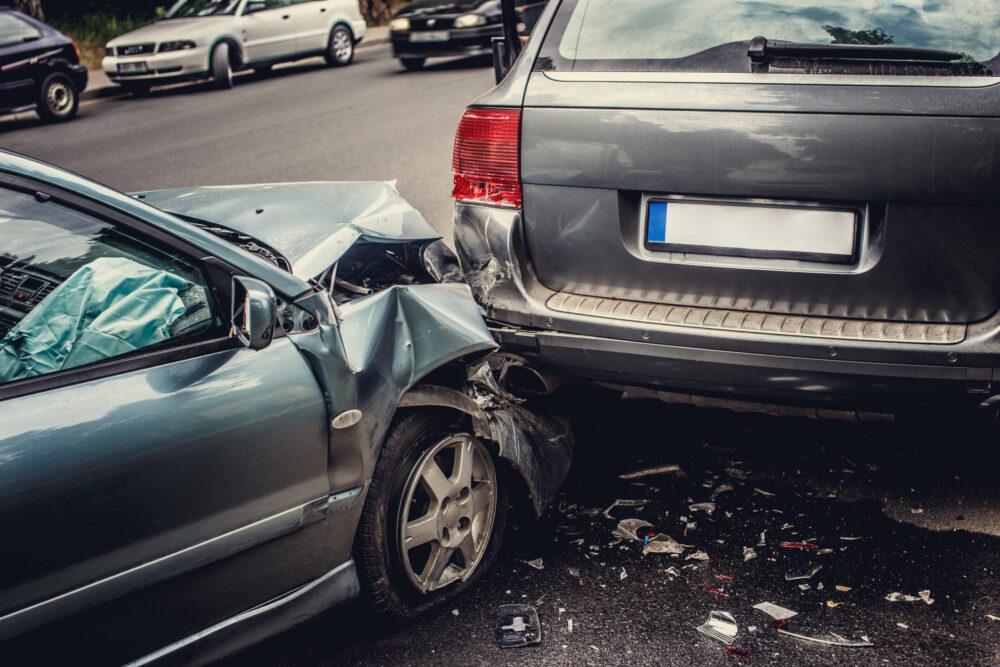
After an accident, it is common to question whether you could have done something differently. Perhaps you were driving slightly over the speed limit when another driver pulled into your lane. Maybe you did not notice a dangerous condition before falling. An insurance adjuster may even tell you that your own actions caused the accident.
Being partly responsible does not automatically mean you have no claim. However, Louisiana’s comparative fault law changed in 2026, making the amount of responsibility assigned to an injured person especially important.
At Stag Liuzza, our personal injury lawyers in New Orleans help injured people investigate what happened, challenge unsupported allegations of fault, and pursue compensation from those responsible.
What Is Comparative Fault?
Comparative fault is the process of dividing responsibility among the people or entities that contributed to an injury. Instead of treating every accident as entirely one person’s fault, it recognizes that more than one party’s conduct may have played a role.
For example, one driver might make an unsafe turn while another is speeding. Establishing responsibility requires examining how each person’s actions contributed to the collision.
The important question is whether your conduct helped cause the accident or your injuries. Simply being present, having an opportunity to avoid danger, or being accused of carelessness does not settle that question.
Louisiana’s 51% Rule: What Changed in 2026?
Act 15 of the 2025 Louisiana legislative session amended the state’s comparative fault law, effective January 1, 2026. The change replaced Louisiana’s former pure comparative fault approach with a modified system. Under the former approach, an injured person’s substantial share of fault did not automatically prevent recovery. legis.la.gov
Under the amended Louisiana Civil Code Article 2323:
- If your negligence is less than 51%, your recoverable damages are reduced by your percentage of fault.
- If your negligence is 51% or greater, you cannot recover damages under this rule. Louisiana State Legislature
This makes disputes over responsibility a central issue in an injury claim. Evidence that changes a fault assessment can affect both the amount of compensation and whether recovery is available.
Does the New Rule Apply to an Older Accident?
The amendment’s effective date is January 1, 2026. If your accident occurred before that date, do not assume the new rule applies simply because you are negotiating a claim or filing a lawsuit in 2026. An attorney should evaluate the timing of your injury and the applicable law. legis.la.gov
How Shared Fault Can Affect Compensation
Consider a hypothetical case in which an injured person’s total damages are valued at $100,000 before any reduction for fault.
| Injured person’s share of fault | Recovery after the fault reduction |
| 0% | $100,000 |
| 20% | $80,000 |
| 40% | $60,000 |
| 50% | $50,000 |
| 51% or more | $0 |
These examples illustrate the amended rule, rather than predicting a settlement. Actual recovery also depends on the evidence, available insurance, applicable law, and other circumstances. legis.la.gov
A claim’s value and the allocation of fault are separate questions. You may have substantial medical expenses and lasting injuries, but a dispute about responsibility can still significantly affect your recovery.
What if the Insurance Company Says You Were Mostly at Fault?
An insurance adjuster’s assessment is a position taken during the claims process. It is not automatically a binding determination of your legal responsibility.
An insurer might argue that you were distracted, moving too quickly, failed to keep a proper lookout, or could have avoided the accident. Those allegations need to be evaluated against the available evidence.
For example, an adjuster may focus on one statement in a police report while overlooking footage showing the other driver entering the intersection against a red light. In a property injury case, a business may argue that you should have noticed a hazard while failing to address how long the condition existed or whether warnings were provided.
Ask what evidence supports the fault assessment. A lawyer can investigate whether the explanation accounts for the full sequence of events and the actions of everyone involved.
What Evidence Helps Establish Fault?
A convincing account of an accident comes from combining evidence, rather than relying on one person’s description.
Depending on the incident, useful evidence may include:
- Photographs: Vehicle positions, damage, debris, lighting, warning signs, or a dangerous property condition.
- Video recordings: Dashcam footage, security cameras, or other recordings showing events before and during the accident.
- Witness accounts: Observations from people who saw what happened.
- Official reports: Police or incident reports that identify witnesses, record observations, and document the initial investigation.
- Electronic records: Vehicle data, dispatch communications, or other records relevant to the incident.
- Medical records: Documentation of injuries, treatment, and the history reported to healthcare providers.
Medical records help establish the nature and effects of an injury. They generally need to be considered alongside other evidence when determining how an accident happened.
Preserving evidence promptly can make an investigation more effective. Conditions change, vehicles are repaired, recordings may be overwritten, and witnesses can become harder to locate.
Why Fault Can Be More Complicated After a Truck Accident
A collision involving a commercial truck may require examining more than the actions of the two drivers.
For example, the investigation may raise questions about vehicle maintenance, the driver’s work schedule, cargo loading, or the trucking company’s instructions. Determining which issues contributed to the crash requires records that an injured person may not be able to obtain independently.
Stag Liuzza’s New Orleans truck accident attorneys investigate commercial trucking collisions and the potentially responsible parties involved. The firm’s practice includes serious injury and wrongful death litigation arising from these crashes. Stag Liuzza
An allegation that the injured driver made a mistake should not end the investigation into the truck driver’s conduct or the company’s role.
What Should You Do if You Think You May Share Some Blame?
You do not need to decide your own percentage of fault before seeking help. Focus on your health and preserving an accurate record.
Get Medical Attention
Seek appropriate care and follow your treatment recommendations. Describe your symptoms and the accident honestly, including anything you do not remember clearly.
Document What You Know
Write down your recollection while events are fresh. Keep photographs, witness contact information, reports, and communications relating to the accident.
Separate what you personally observed from what you learned later or are uncertain about.
Avoid Guessing About Responsibility
Provide truthful information, but avoid filling gaps in your memory with assumptions. Statements such as “I probably could have stopped” may leave out facts about visibility, timing, road conditions, or the other person’s actions.
Review Any Proposed Release Carefully
Before accepting a settlement, understand what claims the release covers and whether the offer reflects both your losses and a supported assessment of fault.
For a broader checklist, our guide to what to do after an accident in New Orleans explains practical steps for documenting an incident and protecting important information.
Does Comparative Fault Apply to Every Type of Injury Claim?
Different types of claims can involve different rules. Article 2323 itself includes an exception concerning injuries caused partly by an injured person’s negligence and partly by an intentional wrongdoer. Louisiana State Legislature
Maritime injuries, workplace matters, and other specialized claims also require an analysis of the law governing the particular case. Avoid assuming that a general explanation of Louisiana accident law answers every situation.
When a loved one dies, questions about responsibility may also arise during a Louisiana wrongful death claim. Families should have the circumstances reviewed rather than relying solely on another party’s account of the incident.
How Stag Liuzza Can Help With a Disputed-Fault Claim
When responsibility is contested, an injury claim needs a careful investigation and a clear explanation of how the evidence fits together.
Stag Liuzza represents injured individuals in New Orleans and handles complex personal injury litigation. The firm’s process includes gathering records, interviewing witnesses, consulting experts when appropriate, negotiating claims, and preparing for litigation when necessary. Stag Liuzza
If you were injured and an insurance company is blaming you, you may still have options. Our New Orleans personal injury lawyers can review the circumstances, explain the applicable fault rules, and help you understand the next steps.
Contact Stag Liuzza for a free consultation to discuss your accident and potential claim.