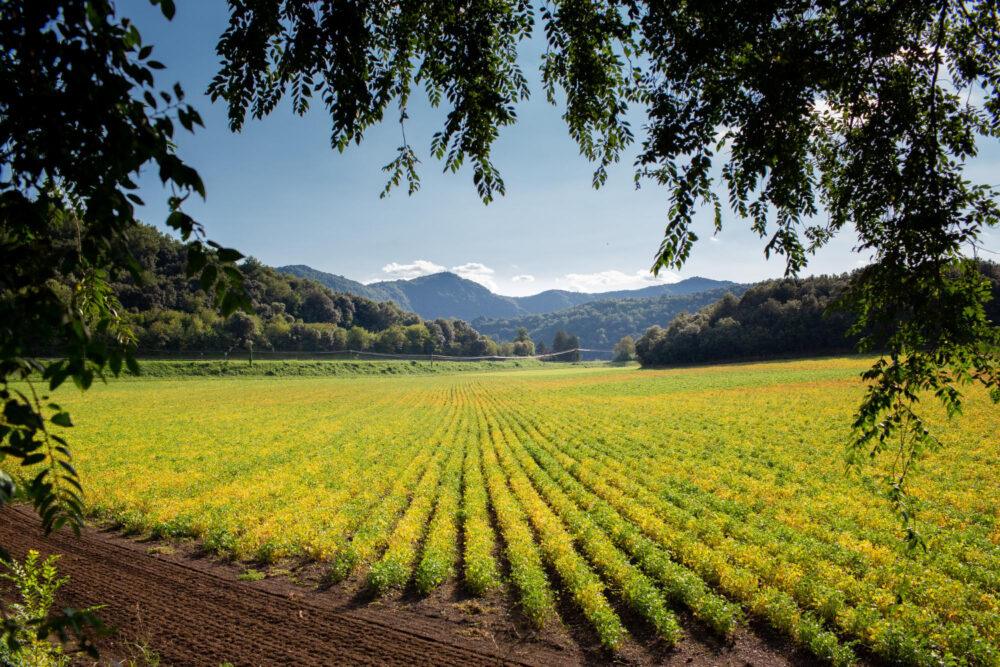
American wastewater treatment plants spread sixty percent of their sewage sludge on agricultural land every year. The federal government legally permits and widely encourages this practice. Officials consider it a highly efficient way to recycle nutrients. Farmers receive a cheaper alternative to synthetic fertilizer. Municipalities pay less for disposal. For decades, the arrangement appeared to work. Nobody advertised a major hidden problem. Treatment plants absorbing industrial and household wastewater also concentrate dangerous chemicals. Forever chemicals flowed into those plants and came out embedded in the sludge. Farmers then applied this sludge to fields growing American food and grazing livestock.
The Scale of the Problem
Industry surveys suggest massive contamination across the country. Biosolids applications may have already contaminated nearly seventy million acres of American farmland. The figure comes from the biosolids industry itself rather than independent testing. The federal government requires no chemical testing for sewage sludge before application. They also require no soil testing afterward.
The true scale of contamination remains unknown. Farmers applied nearly five billion pounds of sludge to fields in 2023 alone. Commercial compost producers also incorporated massive amounts of sludge. Maine and Michigan regulators conducted highly systematic biosolids testing. They found dangerous chemicals in every single sample examined. The EPA published nine biennial reviews of sewage sludge since 2005. They identified more than seven hundred chemicals in biosolids. The agency regulated exactly nine of these chemicals. All nine are metals. They completely ignore forever chemicals.
How PFAS Travels Into Drinking Water
Forever chemicals refuse to stay on the surface after farmers apply contaminated biosolids to land. Rainfall and snowmelt push them downward through the soil. They enter shallow groundwater feeding private wells. They eventually infiltrate aquifers supplying public water systems. This pathway from sludge to tap is not theoretical. A Maine dairy farm discovered severe contamination in 2016. High chemical levels in drinking water and milk prompted state intervention. State officials traced the source to biosolids spread on the pastures decades earlier. The chemicals moved silently through the soil for thirty years before surfacing. The farmers sold off their herd. The state tested other farms and found more problems. Officials documented similar contamination pathways in Michigan, Pennsylvania, and Virginia. The Maine case represents a normal pattern. It was simply the first one anyone looked for.
The Regulatory Landscape in 2025 and 2026
The Biden administration released a draft risk assessment for biosolids in January 2025. The assessment highlighted significant risks for farm families facing contaminated soil and groundwater exposure. It was a meaningful step toward eventual regulation. The regulatory environment then shifted dramatically. A 2025 House appropriations rider proposed defunding the risk assessment process entirely. It also attempted to permanently prohibit funding for related regulations. A federal district court dismissed a relevant lawsuit in October 2025. The court ruled it lacked jurisdiction to force agency regulations regarding sewage sludge. The farmers who filed that lawsuit are weighing an appeal. The EPA has not finalized any biosolids regulation, but several states now regulate biosolids.
What Water System Operators Need to Know
Public water systems in agricultural regions face a unique exposure pathway. This pathway differs entirely from contamination near military bases or airports. The contamination source often appears diffuse. It arrives from many fields over many years rather than a single point. This diffuse character complicates detection and cleanup efforts. It also makes source attribution more challenging during litigation. Water systems detecting contamination should investigate agricultural pathways. They should never automatically assume military or industrial origins. Agricultural pathways deserve investigation. Operators should test source water chemical composition to identify specific compounds and concentrations. That information serves both treatment planning and legal strategy. Chemical manufacturers and industrial dischargers bear responsibility for sludge contamination. They remain responsible regardless of final spreading locations.
For more on information on how water systems can ensure compliance with future regulations, contact Stag Liuzza, LLC.