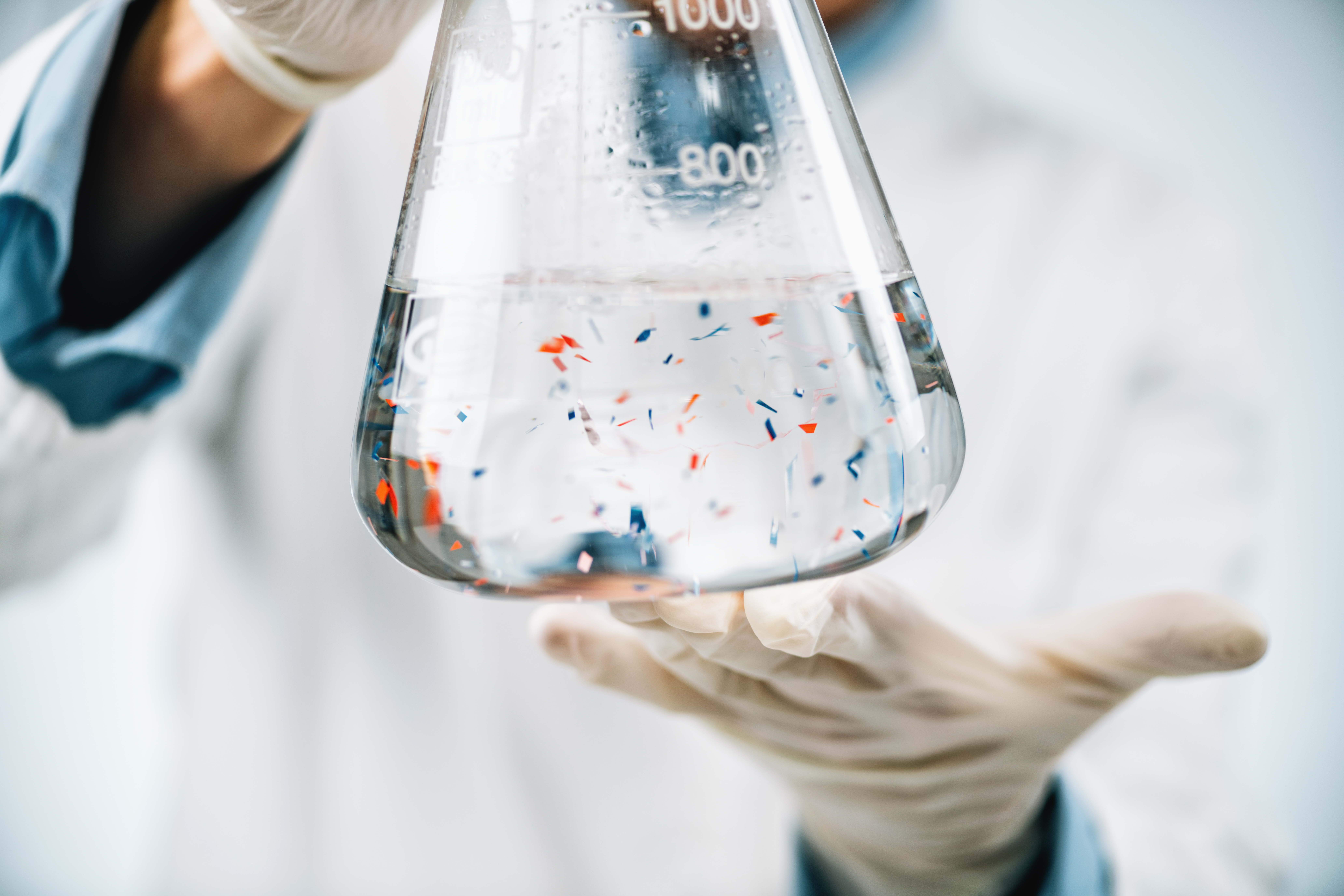
The Environmental Protection Agency announced new drinking water priorities on April 2, 2026. Agency Administrator Lee Zeldin and Health Secretary Robert Kennedy Junior revealed this plan. They seek to protect national water supplies from new hidden threats. The agency released the Sixth Contaminant Candidate List for public review. This critical tool drives future regulations for public water systems.
New Priority Contaminant Groups
The EPA designated microplastics and pharmaceuticals as priority threats. They achieved this historical milestone for the first time ever. The candidate list also targets forever chemicals and disinfection byproducts. Regulators also included 75 specific chemicals and nine microbes. The Safe Drinking Water Act requires updating this list every five years. These updates prioritize funding and research regarding emerging public health risks. Administrator Zeldin promised to follow science and pursue answers.
The Threat of Microplastics
Americans constantly vocalize concerns regarding plastic particles. Researchers detect tiny plastics in human blood and breast milk. They also find these particles accumulating inside human organs. The agency now officially monitors these materials as a major priority. This elevation unlocks focused research funding. It also creates a pathway for potential future regulations. The government finally acknowledges this urgent public health challenge.
Addressing Pharmaceutical Contamination
Pharmaceuticals frequently enter water systems through human waste. Improper drug disposal also creates severe contamination. These drugs include powerful antidepressants and hormones. Antibiotics also pollute the national water supply. The agency prioritized these drug groups for the first time. Officials simultaneously released human health benchmarks for 374 specific pharmaceuticals. State and local water systems received these critical new assessment tools.
What Water Systems Must Do
These actions push science to catch up with real world challenges. Regulators now possess better tools to protect communities. Water systems face increasing pressure to address emerging threats. They must prepare for potential future compliance requirements. Public water systems managing unexpected treatment costs hold legal options. Public water systems should contact Stag Liuzza, LLC to learn more about legal representation for microplastics and pharmaceuticals.