Environmental law is rapidly evolving as new contaminants are discovered, regulations shift, and courts grapple with the scope of corporate responsibility. For communities and plaintiffs, staying informed about these emerging issues is critical for protecting public health and seeking justice when pollution causes harm.
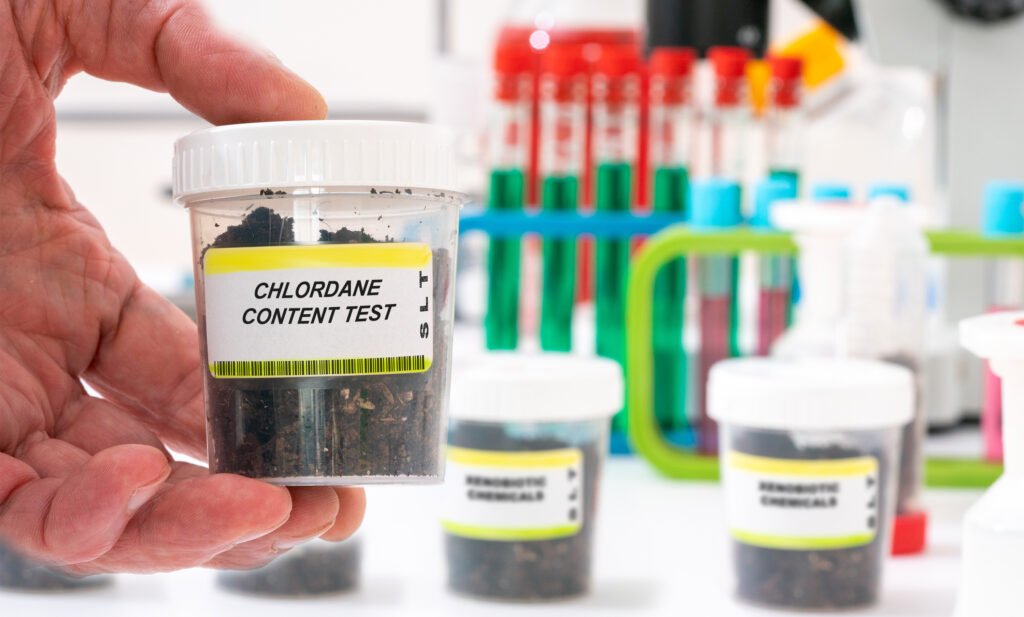
Expanding Focus on “Forever Chemicals”
Per- and polyfluoroalkyl substances (PFAS), often called “forever chemicals,” are at the center of many recent environmental lawsuits and regulatory changes. These chemicals, used in firefighting foam, nonstick cookware, and waterproof fabrics, do not break down easily in the environment.
Key developments include:
- Litigation surge: Municipalities and private water systems have filed suits against manufacturers like 3M and DuPont, seeking compensation for cleanup costs.
- EPA action: The U.S. Environmental Protection Agency (EPA) has proposed strict drinking water limits for six types of PFAS and is working toward classifying some as hazardous substances under the Superfund law.
- Settlement activity: In 2023 and 2024, large settlements were reached totaling billions to help communities remediate PFAS contamination.
- Additional PFAS: The class of PFAS is so large that many of the individual contaminants have yet to be fully studied. Regulation and litigation related to these contaminants is likely to develop in the future.
Emerging Contaminants: 1,4-Dioxane and Ethylene Oxide
Beyond PFAS, other chemicals are drawing national attention:
- 1,4-Dioxane: A solvent stabilizer and manufacturing byproduct found in groundwater across the country. It’s difficult to remove from drinking water and is linked to liver and kidney damage.
- Ethylene Oxide: A gas used to sterilize medical equipment. Communities near sterilization facilities, especially in Illinois, Georgia, and Colorado, have reported elevated cancer risks linked to long-term exposure.
Plaintiff law firms are seeing a rise in toxic tort cases tied to these chemicals. Some cases have led to multimillion-dollar settlements, while others have resulted in defense verdicts, underscoring the complex science and regulatory uncertainty surrounding emerging contaminants.
Climate Change Litigation Gaining Momentum
Cities, states, and individuals are increasingly turning to the courts to hold fossil fuel companies accountable for climate-related damages.
Trends to watch:
- Public nuisance claims: Dozens of municipalities have filed lawsuits alleging that oil and gas companies misled the public about climate risks.
- Youth climate lawsuits: Young plaintiffs are arguing that government inaction violates their constitutional rights to a safe environment.
- Insurance coverage battles: Companies and municipalities are litigating over who should bear the cost of climate-related damages and cleanup.
While many of these cases face procedural hurdles, some have advanced to trial — signaling a shift in judicial willingness to address climate harms.
Environmental Justice and Community Impact
The environmental justice (EJ) movement continues to influence both policy and litigation. Federal and state agencies are focusing more on how pollution disproportionately affects low-income and minority communities.
Recent developments include:
- EJ screening tools: Agencies now use mapping tools to identify communities overburdened by pollution.
- Civil rights complaints: Residents are filing complaints under Title VI of the Civil Rights Act when state or local actions result in unequal environmental burdens.
- Litigation trends: Plaintiffs are increasingly integrating EJ arguments into toxic exposure and permitting cases.
Corporate Transparency and ESG Litigation
Environmental, Social, and Governance (ESG) reporting has become a new frontier for litigation. Investors, consumers, and regulators are demanding more accurate disclosures about corporate environmental risks.
Current focus areas:
- Greenwashing claims: Plaintiffs are challenging misleading “eco-friendly” marketing and sustainability reports.
- SEC rules: The Securities and Exchange Commission is finalizing climate disclosure requirements for publicly traded companies.
- Shareholder actions: Investors are suing companies for failing to disclose climate risks that impact stock value.
The Growing Role of Science and Technology in Environmental Cases
Modern environmental litigation relies heavily on data and technology. From satellite imagery to advanced chemical fingerprinting, new tools are helping attorneys prove causation and exposure.
Examples:
- Air dispersion modeling to trace emissions from industrial plants.
- GIS mapping to show contamination patterns in groundwater.
- Genomic and biomonitoring studies linking exposure to health outcomes.
These tools make it harder for polluters to deny responsibility and easier for plaintiffs to demonstrate harm.
Environmental law is no longer limited to traditional pollution cases. As science evolves and new contaminants emerge, courts and regulators are expanding their reach. Communities and plaintiffs have more legal pathways than ever to seek accountability from polluters, but success requires staying ahead of the latest developments.