What Residents Need to Know
Clean drinking water is not optional. Yet for tens of thousands of families in Robeson County, North Carolina, turning on the tap now comes with serious health concerns due to PFAS contamination in the public drinking water supply. Recent testing shows that the county has supplied water with unsafe levels of PFAS, commonly called “forever chemicals,” despite longstanding concerns about contamination sources.
PFAS are highly persistent chemicals linked to cancer, immune system suppression, thyroid disease, and other long term health effects. Because they do not easily break down, PFAS contamination in drinking water can expose entire communities for decades unless decisive action is taken. As a result, public concern in Robeson County has grown rapidly as more information becomes available.
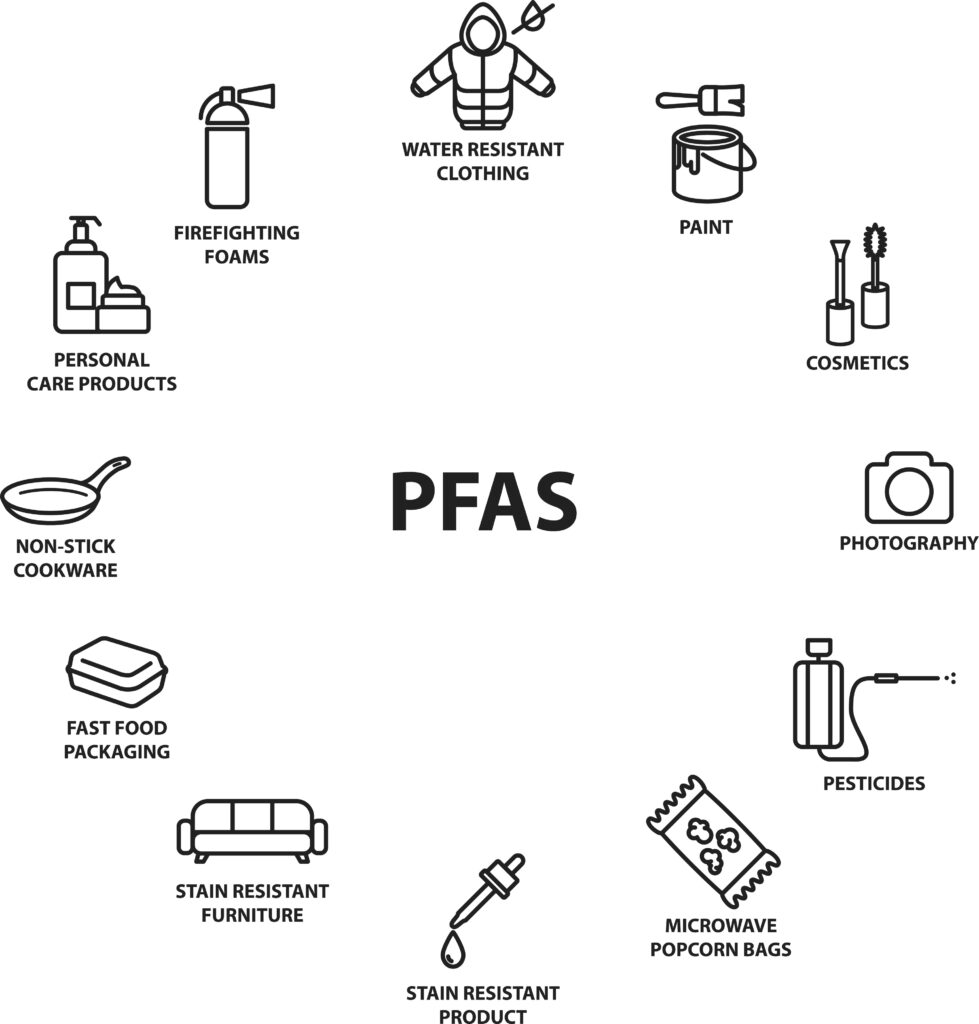
What Are PFAS and Why Are They Dangerous?
PFAS, or per- and polyfluoroalkyl substances, are a group of man-made chemicals used for decades in industrial processes and consumer products. They are often referred to as “forever chemicals” because they persist in the environment and the human body.
Scientific research has linked PFAS exposure to serious health risks, including kidney and testicular cancer, liver damage, immune system disruption, and developmental harm. When PFAS contaminate groundwater or drinking water systems, exposure can affect entire communities through daily use of tap water for drinking, cooking, and bathing.
Alarming Test Results from the Rocco Water Treatment Plant
The focus of the crisis is the county owned Rocco Water Treatment Plant. Testing shows that it has the highest PFAS levels in finished drinking water of any treatment plant in North Carolina. Even more concerning, it has the highest concentration of GenX, a PFAS compound associated with Chemours, of any groundwater-based water system in the United States.
Tap water samples collected from nearby homes revealed PFAS levels well above enforceable limits set by the Environmental Protection Agency. Every home tested had unsafe levels of contamination, raising urgent questions about public safety and regulatory compliance.
A Clear Source of Contamination
The likely source of the pollution is a 537-acre county owned landfill located across the street from the Rocco Plant. The landfill has a long history of groundwater contamination and has accepted PFAS containing waste for years. Wastewater leachate from the landfill contains extremely high PFAS concentrations, and the Rocco Plant draws water from public wells located within 4,500 feet of the site. Importantly, the plant is not equipped with treatment technology capable of removing PFAS before distributing water to homes, schools, and businesses.
Legal Action and Environmental Justice Concerns
In response, the Southern Environmental Law Center has issued a formal notice of intent to sue Robeson County in federal court. This action is being taken on behalf of community organizations that fear up to 66,000 residents are being exposed to illegal and dangerous drinking water conditions.
This crisis also highlights longstanding environmental justice concerns. Robeson County is one of the most economically challenged and racially diverse counties in the state. Despite repeated violations dating back to the early 1990s, the landfill has continued operating and expanding.
What should happen next
Community advocates are calling for immediate and practical solutions. These include providing bottled water at no cost to residents, replacing contaminated supplies with clean water from other treatment plants, and investing landfill-generated revenue into PFAS treatment systems.
Counties have a legal duty to protect public health. When officials fail to act, litigation often becomes the only path to accountability. PFAS drinking water lawsuits like this one are becoming more common nationwide, as communities seek to stop ongoing exposure and recover the costs of cleanup, treatment, and long-term health monitoring.
About the Author
Michael G. Stag leads Stag Liuzza, a law firm based in New Orleans. Mike Stag and his litigation team focus on environmental contamination, toxic exposure, and complex cases involving corporate and governmental misconduct. He has a particular passion for achieving justice for communities harmed by unsafe water, industrial pollution, and long-term chemical exposure.