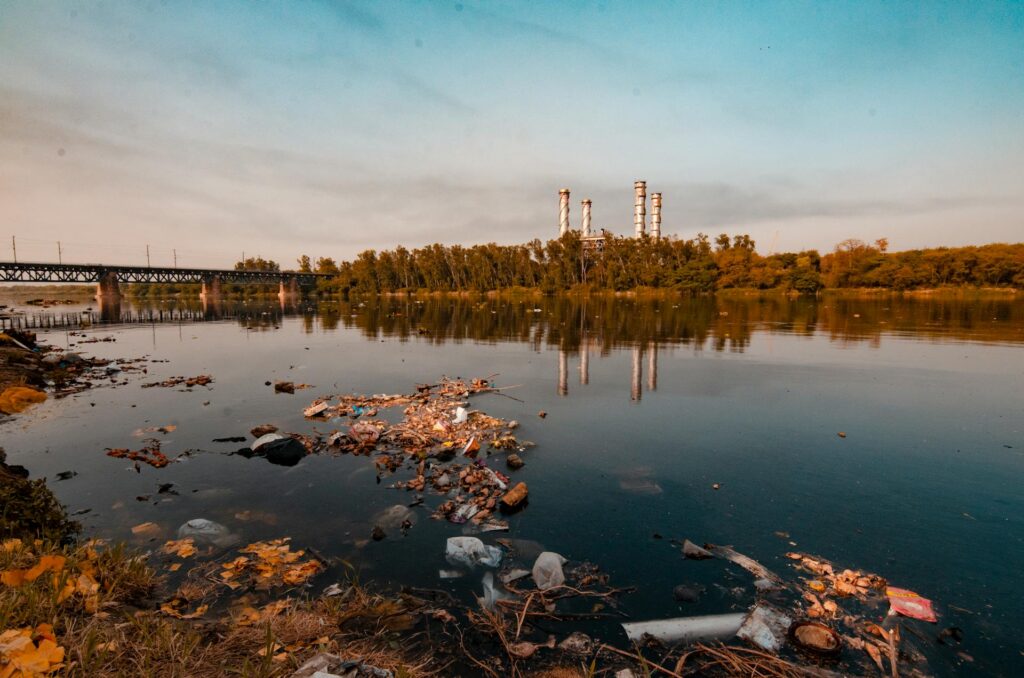
Water contamination is not always immediately obvious.
In many cases, chemical contamination develops over time and may go undetected until testing reveals a problem. Substances like PFAS and 1,4-dioxane are especially difficult to identify without proper monitoring because they are often invisible, odorless, and slow-moving.
For public water systems and communities, recognizing early warning signs can help limit long-term impact and reduce the cost of response.
Changes in Water Testing Results
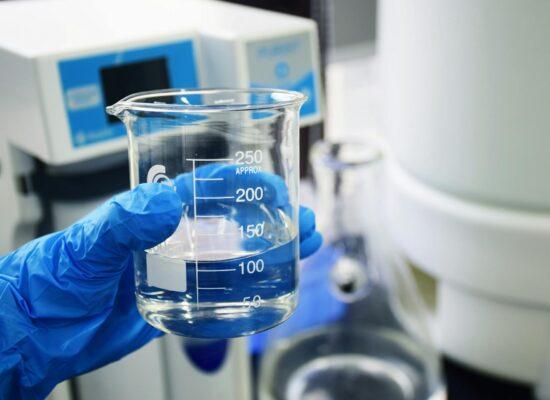
One of the most reliable indicators of contamination is a change in testing data.
Water systems may begin to detect:
- elevated levels of PFAS compounds
- presence of 1,4-dioxane
- increasing contaminant concentrations over time
- new contaminants not previously identified
Even small changes in results can signal a developing issue, particularly when contamination is spreading through groundwater.
Proximity to Industrial or High-Risk Sites
Water systems located near certain types of facilities may face higher contamination risk.
Common sources include:
- chemical manufacturing plants
- industrial disposal sites
- landfills
- airports and military bases using firefighting foam
Facilities associated with firefighting foam have been linked to widespread AFFF contamination, which has impacted water systems across the country.
Increasing Treatment Costs or System Upgrades
Rising costs can be an early sign of contamination, even before it is fully confirmed.
Water systems may need to:
- install new filtration systems
- upgrade existing treatment infrastructure
- increase monitoring and testing frequency
- manage multiple contaminants simultaneously
These costs often increase when dealing with complex water contamination issues involving persistent chemicals.
Unexplained Changes in Multiple Wells
Contamination rarely affects just one location.
Water systems that rely on multiple wells may notice:
- similar contaminants appearing across different wells
- contamination spreading to previously unaffected sources
- gradual expansion of impacted areas
This pattern often indicates groundwater contamination rather than an isolated issue.
Regulatory Notices or Guidance Changes
State and federal agencies continue to update guidelines related to PFAS and other contaminants.
Water systems may receive:
- new testing requirements
- updated health advisory levels
- compliance notices
- recommendations for treatment upgrades
Changes in regulatory guidance can indicate emerging concerns about contamination in a region.
Community Concerns or Environmental Reports
In some cases, contamination concerns begin outside the water system itself.
Warning signs may include:
- nearby environmental investigations
- reports of contamination in surrounding areas
- community concerns about water safety
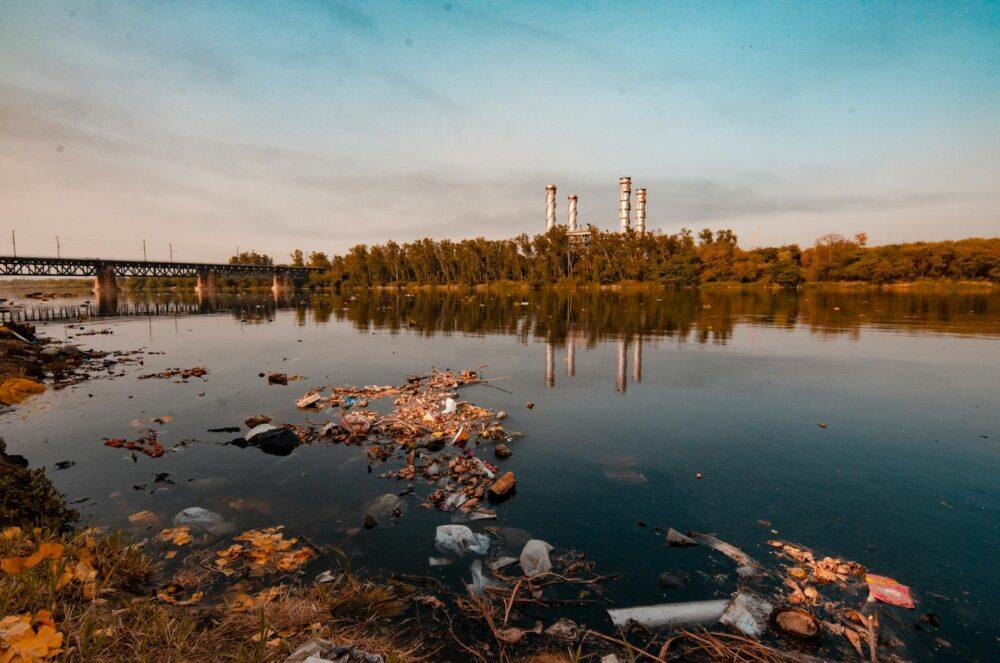
- news of industrial pollution in the region
These signals may point to broader environmental pollution issues affecting groundwater and surrounding communities.
Detection Often Happens After Spread Has Begun
One of the biggest challenges with contaminants like PFAS and 1,4-dioxane is that detection often occurs after contamination has already spread.
Because these chemicals can move through groundwater over time, initial signs may be subtle or delayed.
By the time contamination is confirmed, it may already involve:
- multiple wells
- large service areas
- long-term exposure risks
What Water Systems Should Do Next
If contamination is suspected, early action can help reduce long-term impact.
Steps may include:
- conducting expanded testing
- identifying potential contamination sources
- reviewing historical industrial activity in the area
- evaluating treatment and filtration options
Prompt evaluation can help water systems better understand the scope of contamination and plan an appropriate response.
FAQs
What is the first sign of water contamination?
Changes in testing results are often the first clear sign, especially when new contaminants are detected or levels begin to increase.
Can water be contaminated without visible signs?
Yes. Many contaminants, including PFAS and 1,4-dioxane, are invisible and odorless.
Why does contamination often affect multiple wells?
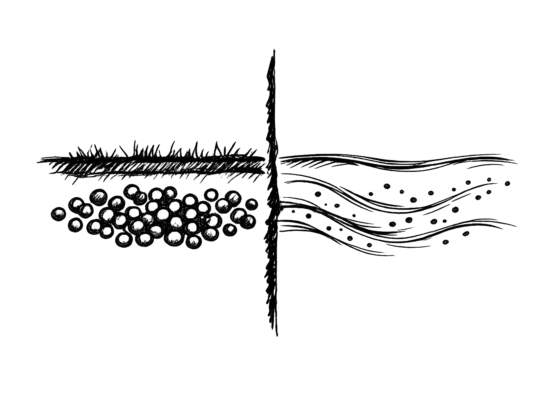
Because contaminants can spread through groundwater, they may impact multiple wells connected to the same aquifer.